
With ski season underway and thousands of visitors expected to travel to the Eastern Sierra this winter, Mono County Public Health is urging residents and visitors to make sure their measles vaccinations are up to date.
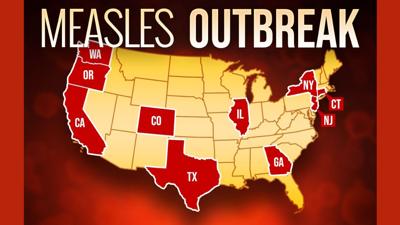
The reminder comes after the United States lost its measles elimination status, meaning the virus has spread continuously within the country for at least 12 months. However, that does not mean every community is experiencing an outbreak.
Mono County currently has no reported measles cases or evidence of community transmission.
The county also has high measles vaccination coverage among children entering school. According to the California Department of Public Health, at least 99% of Mono County kindergarten students received two or more doses of the measles, mumps, and rubella (MMR) vaccine during the 2024-2025 school year.
High vaccination rates help limit the spread of measles and protect people who cannot be vaccinated, including babies who are too young for the vaccine and people with certain conditions that weaken their immune systems.
Mono County Public Health also monitors Mammoth Lakes wastewater for wild-type measles, the virus responsible for naturally occurring infections. The monitoring provides another way to watch for potential measles activity, along with reports from health care providers and laboratories.
With Mammoth Mountain opening and the winter season bringing more visitors from across the country and around the world, health officials say now is a good time for residents, seasonal workers and visitors to review their vaccination records.
Measles is highly contagious and can cause serious complications, including pneumonia, brain swelling, and death. Two doses of the MMR vaccine are about 97% effective at preventing measles.
Mono County Public Health recommends residents and visitors:
Check vaccination records: Talk with a health care provider or pediatrician to make sure you and your children are up to date on MMR vaccinations.
Plan ahead for travel: Before traveling internationally or to a U.S. area experiencing a measles outbreak, talk with a health care provider about recommended vaccine doses. Babies ages 6 to 11 months should receive an early MMR dose before international travel. Parents should ask their child's doctor whether an early dose is also recommended before traveling to a U.S. outbreak area.
Call ahead if you develop symptoms: Anyone who develops a fever and rash, particularly after traveling or a possible exposure, should call their health care provider before visiting a clinic or emergency department so staff can take steps to protect others.
For current information about measles cases and outbreaks across the country, residents can visit the CDC's Measles Cases and Outbreaks page.