




As the Cold war developed between the United States and the Soviet Union following World War II, there began a rapid growth in scientific and military technology.
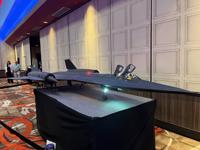
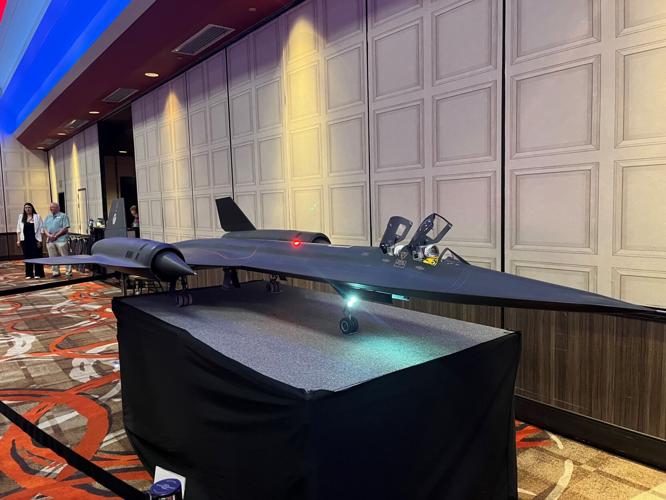
The Pentagon and CIA shifted and selected Lockheed Martin Aircraft Company to engineer and build the ultimate spy plane. The Legendary, Lockheed engineer Kelly Johnson sealed the deal with his highflying 'U2' Spy Plane, and years later completed the concept and development of the SR71 'Blackbird', the highest flying and by far the fastest aircraft ever produced. The original version was the 'A12'.
The airplanes were based in Area 51, Groom Lake, Nevada, Beale AFB, California, Mildenhall, England and Kadena, Japan. From these locations the Blackbird conducted secret missions of intelligence gathering globally.
In order to evade new soviet missiles, the airplane called for a cruise speed of Mach 3 plus (2,200 miles per hour), faster than a speeding bullet, and an altitude in excess of eighty thousand feet.
Over the past few years, the SR71 has been almost entirely declassified. 60 years have now passed since the initial test flights back in 1963.
Jerry Glasser, Lieutenant Colonel Retired & Pilot of the SR71 has over 900 hours on the airplane and flew the plane for six and a half years.
"I was born in the projects of New York City and all I wanted to do was graduate from high school and avoid the cops, that was my goal… 31 years later I was in the front seat of the SR71,” said Glasser.
Pilots of the SR71 say they felt extremely lucky to get the chance to fly the plane.
“It’s a very humbling experience knowing that you were in this unique crew group,” Glasser shares.
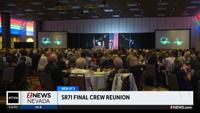
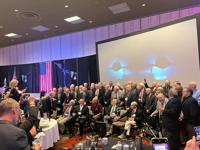
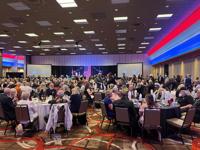
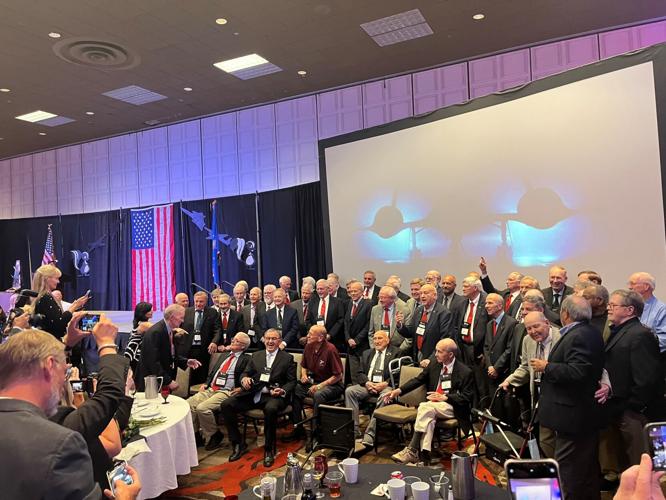
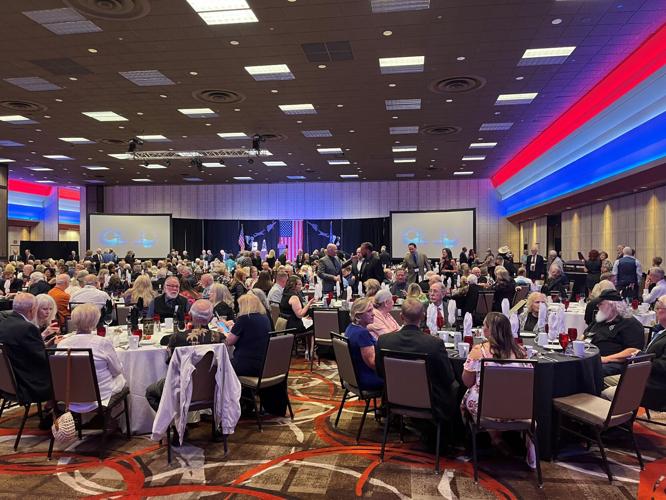
The crew members got together every two and a half years and this year was their last reunion.
Those who flew the plane were sought out and nominated to fly the SR71, they say none of them could have dreamed their moment on the plane would come.
John Manzi, Reconnaissance Systems Officer for the SR71's first flight was also Jerry Glasser's last.
John Manzi spent four and a half years flying this airplane.
He was also part of the final squadron members that closed the unit down in 1990. Even though the plane looks futuristic, it has been in retirement for more than 30 years.
“This aircraft was a dream assignment for those who knew about it and a very small program, so it was very competitive to get in with very small windows of opportunities for those of us who flew other airplanes before this one,” Manzi says.
“Finding out that I was accepted was one of the highlights of my life, and a very memorable day, and after that honestly every time I flew this airplane, it was a big event," he says. "You constantly flew to the edge of its capabilities at more than three times the speed of sound, 70,000 or 80,000 feet, and every day that was a unique and wonderful experience.”
Going three times as high and three times as fast, the SR71 can make it across the country in one hour and go from California to England in four hours.
Glasser explains how they operated the plane. “The back seater is the conductor and I’m the first violinist the back seater is pacing the mission he’s the guy who’s really important he’s got all the sensors and he’s keeping me on track,” said Glasser.
He said the back seater and pilot know one another so well they always know what one another is thinking.
“You’re so busy, the plane is so mentally taxing, we have a little note and every time you look outside the plane knows it says you’re looking outside too much,” he adds.
Glasser says the sights to be seen while flying the SR71 are breathtaking. “We saw three sunrises and four sunsets on one mission and the colors, I mean the indigos and the blues and the reds. It was like you get mesmerized by what you see…But you’ve got to be careful. Why? You’re looking outside and the airplane says look at the airplane.”
Every time they flew the plane, it was extremely dangerous. The missions they flew were designed to gather intelligence from all over the world and they would go to the limits to do that.
“Many of my friends had some extreme circumstances like losing engines at MACH 3 and in the history of this program people had to eject at 80,000 feet,” Manzi said.
Many people may think they're certified astronauts, but that's not the case. However, they did fly at the top of the upper 2% of the earth's atmosphere.
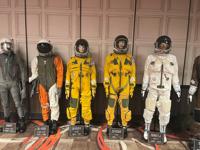
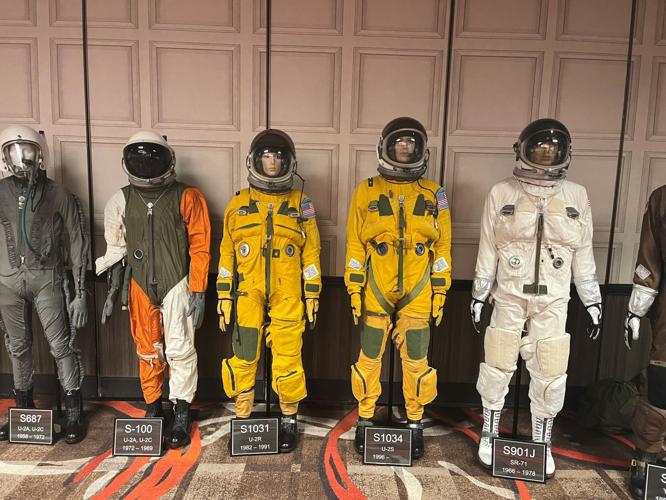
“None of us wanted to be exposed to the elements, so we had to live in these specially designed suits to keep ourselves alive should we ever have to leave the airplane,” Manzi explains.
And each mission presented high risks.
“The longest commercial flight to date is only about 9,800 miles we were doing 15,000 miles without even blinking and going pretty far north so when we’re in the artic those risks were pretty high,” Glasser shares.
“As a good friend of mine says you don’t feel speed you feel acceleration,” Manzi says.
But the opportunity was unimaginable.
“None of us ever thought we would be selected for the program we didn’t think we were that good and somebody thought we were good, and we proved it,” Glasser says.
There were 50 planes total, 15 A12's and 32 SR71's. None of them are flyable now and some are in museums.
This was a highly secretive program and considered breakthrough technology in the 1950's. Decades later, missions were still kept secret but more of the nation knew the planes existed. Now that it's retired, more details of missions from the past are coming out.
“I think this is the greatest strength of our country. We have the ability to put resources that will make the most difference and anyone can be inspired to do anything and find the means to do that," Manzi says.
No more than 85 crews in a 25-year period flew the plane.
Even though crew members are sad to know this was their last reunion, they want education to go on for aerospace technology.
“We’ve only begun. When I was young, I was flying across the country at .9 MACH. Now, Southwest is flying at .78. There’s a Kelly Johnson out there, there are engineers, they don’t know they’re out there, they’re out there and we’re gonna find them," Glasser remarks.