Iran Renewable Energy


FILE - Students leave Dhaka University after the government ordered all universities to close, moving forward the Eid al-Fitr break as part of emergency measures to conserve electricity, in Dhaka, Bangladesh, Monday, March 9, 2026.
As featured on

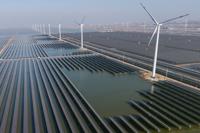
The Iran war is exposing how much the global economy still depends on fragile fossil fuel supplies. The conflict has virtually choked off the Strait of Hormuz, a vital shipping lane for a fifth of the world’s oil and liquefied natural gas. That's shaking up markets and pushing prices higher. Countries reliant on imported fossil fuels — from wealthy industrial economies to poorer developing nations — are facing major disruptions that can quickly ripple through utility bills, food prices, transport costs and electrical grids. Analysts say the crisis is a stark reminder that energy security is not just about stockpiles and shipping, but also about the lagging transition to renewable energy.

Get up-to-the-minute news sent straight to your device.