
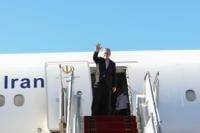
A spokesperson for Iran’s Foreign Ministry says Iran has maintained its negotiating stance in talks with U.S. officials on the sidelines of the U.N. General Assembly, demanding the United States end its blockade on Iranian ports and release Iran’s frozen assets. Israeli Prime Minister Benjamin Netanyahu’s office called French President Emmanuel Macron’s remarks at the United Nations a “grotesque absurdity,” objecting to his claim that the Palestinian militant group Hamas had never operated in the West Bank.
From
To

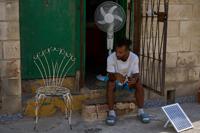
Cuba’s power grid has collapsed, leaving millions of people across the island without electricity. The Ministry of Energy and Mines announced the blackout on its official X account without mentioning the cause and added that officials had begun “activating service-restoration protocols.” Power grid collapses have become increasingly common over the past two years because of the severe economic crisis gripping the island. They have worsened since January, after the United States imposed an energy blockade aimed at forcing a change in Cuba’s political system. The two most recent nationwide blackouts occurred in early August, following others in July and March, as well as several regional outages.

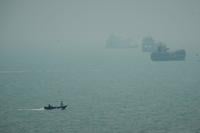
State-run media in Iran say an Iranian commercial vessel has been struck off Qeshm Island in the Strait of Hormuz, with one person killed and four wounded. There was no immediate statement from the U.S. military, which has previously struck Iranian-flagged vessels as part of its blockade of Iranian ports. After the attack, a plan by Tehran to brief countries in the region on its contested efforts to manage shipping in the strait was postponed. The foreign minister of Oman, which was going to host the talks, said on X late Sunday that the meeting had been postponed “in the interests of consensus.”


AP
Iranian-backed Houthi rebels in Yemen seized a key island Friday after capturing a Red Sea port, moves that threatened to further disrupt inte…


Saudi Arabia says it shut down a major pipeline a day after it was attacked by drones, and Yemen’s Iranian-backed Houthi rebels captured a strategic island at the southern entrance to the Red Sea, two officials said, opening a new front in the Iran war. The Houthis made their biggest territorial gains in years along the Bab el-Mandeb Strait, one of the world’s key shipping lanes. The gains could boost Iran’s strategy of driving up world oil and gas prices to pressure the United States. Saudi Arabia said it had shut down the East-West pipeline as a precaution after the attack.

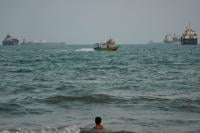
A senior Iranian official says Tehran plans to announce an “exclusion zone” outside the Strait of Hormuz, targeting vessels it believes are attempting to transit the waterway. This comes a day after the U.S. struck three Iranian oil tankers in response to Tehran launching ballistic missiles at U.S. warships, which experts called a dangerous escalation. There were few details about Iran's planned new zone. The U.S. has been increasing economic pressure on Iran after negotiations collapsed. The Strait of Hormuz is crucial to global oil shipments. Both the U.S. and Iran are claiming the ability to get oil out to the world.

AP Featured Top Story
The United States military struck targets in Iran on Tuesday as hostilities flared after a month without military action.

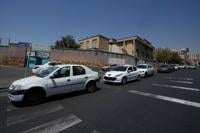
Long lines have formed outside gas stations in Iran's capital as people rush to fill their tanks amid fuel shortages, fears of higher prices and new U.S. sanctions. On Tuesday, drivers reported waits of two hours or more. Washington is increasing economic pressure in hopes of forcing Iran to make concessions to end the war. Iranian officials accuse the U.S. of trying to foment internal unrest after failing to defeat Iran militarily. Iran’s broader economy suffers from double-digit inflation and its currency has hit a record low. Analysts warn of growing public frustration, though there is no sign yet of protests.

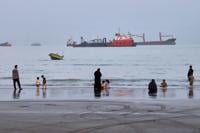
Treasury Secretary Scott Bessent has announced a new round of sanctions aimed at Iran. At a news conference Monday, he also warned every country that does business with the Islamic Republic to sever those financial ties or face retaliation from the United States. The sanctions aim to further cut off Iran from the rest of the world economy after President Donald Trump pledged last week to unleash an “economic D-Day” against Tehran. Washington has promised the new sanctions would put even more pressure on an Iranian economy already battered by previous sanctions and a U.S. naval blockade.