• Updated

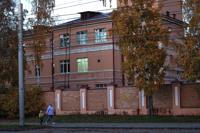
A man who played a major role in defrauding a federal food program in Minnesota has been sentenced to 30 years in prison. It's the latest punishment in a scheme to collect millions of dollars during the COVID-19 pandemic by claiming to have fed needy children. Salim Said, who operated a restaurant that received government money for claims it provided thousands of meals, expressed remorse Wednesday. President Donald Trump has blamed Minnesota's Democratic governor for failing to catch the fraud. Said was accused of vastly overstating the number of meals when seeking payment for providing food to needy children.

  • Updated

The Kremlin has long maintained a culture of secrecy when it comes to controlling public information, especially involving accidents -- from industrial disasters to health emergencies. The suspicious death last week of a worker at a research lab in Siberia that has fueled global concerns about suspected pneumonic plague is just the latest example of how leaders in Moscow manage the official narrative that can often cover up the truth for years. Scarce official information about the death, which unconfirmed reports in Russia blamed on pneumonic plague, follows Soviet-era patterns of secrecy in dealing with infectious diseases and other emergencies.

  • Updated

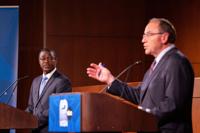
A top official with the World Health Organization says the U.N. health agency doesn’t know how a lab employee in Siberia died amid concerns about plague. She called on Russia to provide more information. Maria Van Kerkhove is WHO director of Epidemic and Pandemic Management. She said the agency doesn’t know what the 'causative agent’ was behind the woman’s Oct. 2 death, and “this is why we need more information.” Russian authorities have kept a tight lid on information about the case, which has been surrounded by secrecy.

AP
  • Updated

FILE - An NHL logo is displayed on Aug. 14, 2020, prior to the NHL Eastern Conference Stanley Cup playoff hockey game in Toronto. (Nathan Denette/The Canadian Press via AP, File)