
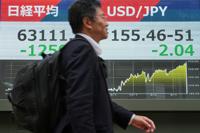
U.S. stocks are rallying to the edge of their all-time high after easing oil prices helped calm Wall Street’s worries that inflation could get even worse. The S&P 500 jumped 1.5% Monday and is just 0.1% below its record set earlier this summer. The Dow Jones Industrial Average added 649 points, and the Nasdaq composite climbed 2.2%. Brent crude's price fell 5% after President Donald Trump said he would hold off on ordering new strikes against Iran. That helped Treasury yields to fall in the bond market. Stocks of airlines and other companies with big fuel bills rallied.
From
To

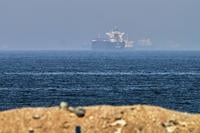
NEW YORK (AP) — Oil prices fell sharply Sunday after President Donald Trump said he would order U.S. forces to hold off on new strikes against…

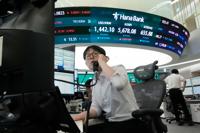
U.S. stocks rose to the finish of a wild July as Amazon leaped, Apple sank and rising oil prices worsened worries about inflation. The S&P 500 climbed 0.7% Friday after veering between gains and losses through the day. The Dow Jones Industrial Average added 0.5%, and the Nasdaq composite jumped 1%. Amazon soared after delivering a stronger profit for the spring than analysts expected, suggesting its big AI investments may be paying off. Apple dropped after giving a lackluster forecast for upcoming revenue growth. Treasury yields climbed as worries built in the bond market about inflation potentially remaining high.

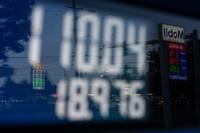
Major oil companies reported massive profits while fighting between Iran and the U.S. impeded petroleum shipments. Prices for Brent crude soared above $100 a barrel for much of the spring. Constrained supplies meant consumers around the world paid more for fuel and confronted shortages. But higher prices resulted in elevated profits for some of the biggest publicly traded oil companies. American oil and gas giants Exxon Mobil and Chevron both more than doubled their profits in the second quarter. They are positioned to benefit because they own refineries and extract oil and gas. Democrats in Congress have proposed taxing oil producers for war-related windfalls.

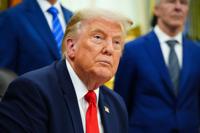
President Donald Trump says he may pull Todd Blanche’s nomination for attorney general until Sens. John Cornyn and Thom Tillis leave office. The Republicans have demanded written assurances about the settlement of the president’s lawsuit against the Internal Revenue Service. Back-and-forth missile strikes between the U.S. and Iran Thursday are dimming hopes for a deal to end the war as more countries are drawn in. Jordan, Kuwait, Egypt, Saudi Arabia and Iraq have reported strikes. And a new AP-NORC poll shows Trump's approval rating has dropped, with most Americans saying the Iran war isn't worth fighting.
A monster day for Microsoft following signals that its big spending on AI is translating into profits led a powerful rebound on Wall Street, while AI stocks regained some of their sharp recent losses. The S&P 500 rallied 1.7% Thursday and more than recovered its drop from the prior day. The Dow Jones Industrial Average rose 1.2%, and the Nasdaq composite jumped 2.8%. Microsoft delivered a bigger profit than analysts expected, which helped offset Meta Platforms's drop after it raised its forecast for AI investments. Longer-term Treasury yields held relatively steady a day after soaring on worries about inflation. Oil prices eased.

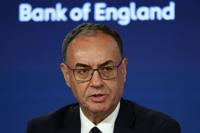
LONDON (AP) — The Bank of England kept its key interest rate on hold for the fifth time this year on Thursday after a bigger-than-expected dro…

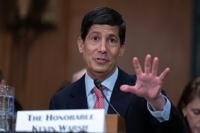
The Federal Reserve left its key interest rate unchanged Wednesday despite persistently high inflation and a spike in energy prices caused by the Iran war. The Fed’s rate-setting committee reached the 9-3 decision after two days of deliberations, marking the fifth straight meeting at which the benchmark rate was kept at around 3.6%. Three Fed officials dissented in favor of a rate increase, and Fed Chair Kevin Warsh described the policy discussion to reporters as a “good family fight.” Inflation has been stuck above the central bank’s 2% target for more than five years and Wall Street still expects a rate hike in September.


Oil prices got back to jumping, while sinking technology stocks dragged Wall Street lower amid uncertainty about what the Federal Reserve will do to get high inflation under control. The S&P 500 fell 1.5% Wednesday after briefly erasing all of an earlier drop of 1.2%. The Dow Jones Industrial Average tumbled 2.2%, and the Nasdaq composite sank 1.7%. The price of Brent oil leaped back above $88 per barrel to add further pressure on inflation. The Fed pledged again to get inflation back down to 2%, but it offered few clues on how it would do so after holding interest rates steady.

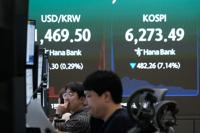
Most U.S. stocks rose after Coca-Cola and other companies reported stronger profits for the spring than analysts expected. But more drops for chip stocks and other AI winners kept Wall Street's gains in check Tuesday, and the S&P 500 rose a relatively modest 0.2%. The Dow Jones Industrial Average jumped 1%, while the Nasdaq composite slipped 0.2%. The slides for AI stocks were worse elsewhere in the world, and South Korea's Kospi index tumbled nearly 11%. Oil prices continued to ease, which helped to pull Treasury yields lower in the bond market. Brent crude fell toward $82 per barrel.