

PORTLAND, Maine (AP) — John Evich, a commercial fisherman in Washington and Alaska, has voted for President Donald Trump three times, viewing …
From
To

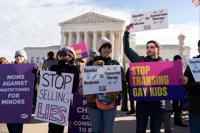
WASHINGTON (AP) — The Trump administration asked the Supreme Court on Monday to let it enforce, for now, restrictions on gender-affirming care…

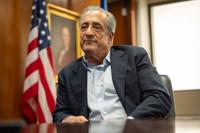
Before he was the top U.S. Postal Service official, David Steiner criticized Donald Trump's leadership style after seeing him on "The Apprentice." Nearly two decades later, Steiner finds himself navigating Trump's influence on the Postal Service. When the Republican president signed an executive order restricting mail ballots, Steiner moved to implement it, but the move was halted after the Supreme Court's rejection. Critics accuse Steiner of allowing political interference in the Postal Service. Despite the backlash, Steiner insists he's not political and remains committed to his role. Steiner emphasizes the importance of maintaining public trust by focusing on service quality. The White House hasn't responded to a request for comment on Steiner’s remarks.

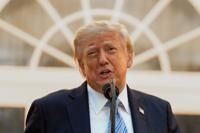
President Donald Trump says he is banning CNN, MS NOW and Politico from the White House due to what he called unfavorable coverage. He threatened that more such prohibitions of media outlets could follow. Meanwhile, in-person voting for this year’s midterm elections is underway in Virginia, ushering in the final six weeks for Americans to decide which party they trust to lead Congress at a time of a cost-of-living crisis, a prolonged war in Iran and other pressing issues. Voters in Idaho, Minnesota and South Dakota, can cast absentee ballots in person.

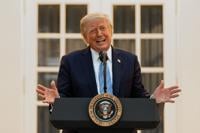
President Donald Trump announced that all 50 states will join a program to provide Most Favored Nation pricing for some Medicaid drugs. The administration claims this plan, called the Medicaid “GENEROUS” model, will save billions on prescription drug costs. Last year, Trump signed an executive order to pay the same price for medications as the lowest-paying nation. The White House estimated these deals could save $529 billion over 10 years. However, details of the deals remain unclear, raising questions about the true savings. The announcement comes as cost-of-living issues are a major concern for voters.

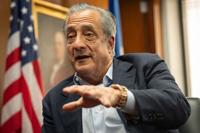
The U.S. Postal Service has stopped developing a controversial computer system tied to President Donald Trump’s effort to limit mail voting. The Supreme Court rejected Trump’s executive order this week. Postmaster General David Steiner confirmed the halt Thursday. He emphasized the agency’s independence and operational focus. Trump’s order aimed to create state citizenship lists for mail voting, but the system faced criticism that it was riddled with errors. A memo to postal employees stated the agency won’t enforce new rules for the 2026 election. Despite the halt, concerns remain about postmark delays affecting mail-in ballots. Steiner urged voters to submit ballots early.


A federal judge in Washington, D.C. has issued a new order freezing President Donald Trump's attempt to limit mail voting for the midterm elections. A previous order from another judge is already before the U.S. Supreme Court. Election officials say they could not implement Trump's new requirements before November. The decision issued late Sunday by U.S. District Judge Carl Nichols is significant because he was nominated by Trump and earlier declined to freeze the president's executive order, saying at the time it was premature. In issuing a preliminary injunction, he wrote that it's now clear many people could lose their ability to vote if it goes into effect.

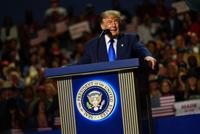
WASHINGTON (AP) — An appeals court on Thursday upheld a block on President Donald Trump’s executive order limiting mail voting, a decision tha…
An appeals court has upheld a block on President Donald Trump’s order to limit mail voting. The decision Thursday by a panel of the 1st Circuit Court of Appeals comes even as the Supreme Court is already considering the same case. It reflects the frenzied legal rush as states are beginning to send out mail ballots for this fall’s midterm elections. The high court has allowed the executive order to move ahead, but the justices have not decided whether it’s constitutional. Under the plan, the Postal Service won’t deliver mail ballots from states that don’t get pre-approval for envelope design and submit a list of voters.

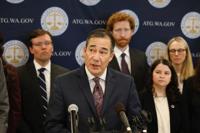
FILE - Washington Secretary of State Steve Hobbs speaks during a news conference at which the state attorney general announced a federal lawsuit challenging President Donald Trump's executive order attempting to overhaul elections in the U.S., in Seattle, April 4, 2025. (AP Photo/Manuel Valdes, File)