

President Donald Trump is blasting Federal Reserve governors after the board raised its benchmark interest rate Wednesday for the first time since 2023 in an effort to quell stubbornly high inflation. The central bank also signaled another rate hike could occur later this year. Trump called the governors politicians and said they're trying to hurt him politically. The quarter-point increase lifts the Fed’s key rate to about 3.9% and, over time, could result in higher borrowing costs for mortgages, auto loans and credit cards. The move comes as Americans are already struggling with high costs for groceries, gas and housing. Affordability has taken on a leading role in the upcoming midterm elections, just seven weeks away.
From
To


U.S. stocks slipped after the Federal Reserve hiked its main interest rate for the first time in three years and suggested more increases may be ahead as it tries to get the nation’s high inflation under control. The S&P 500 fell 0.4% Wednesday after giving up a modest gain from earlier in the day. The Dow Jones Industrial Average dropped 1.2%, and the Nasdaq composite was nearly unchanged after edging down by less than 0.1%. Stocks turned lower after the Fed's chairman said repeatedly in a press conference that inflation remains too high and the U.S. economy appears to be strengthening.

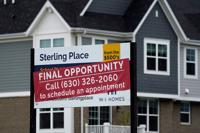
The Federal Reserve just raised the cost of borrowing money — bad news for borrowers, good news for savers. The Fed increased its benchmark interest rate Wednesday by a quarter-point, the first rate hike since the summer of 2023. The move will likely make it even costlier to borrow for homes, autos and other purchases. But if you’ve been socking money away, you’ll probably earn a bit more interest on your savings.
Featured Top Story
'Today’s policy action will support a timelier return' to the central bank’s 2% inflation goal, the Fed said in a statement.

LONDON (AP) — Inflation in the United Kingdom rose to a five-month high as the aftershocks of the Iran war continued to ratchet up fuel prices…

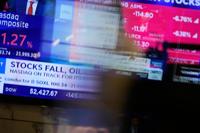
The U.S. stock market slipped as oil prices and the bond market cranked up the pressure on Wall Street. The S&P 500 fell 0.4% Tuesday. The Dow Jones Industrial Average dropped 0.6%, and the Nasdaq composite sank 0.8%. They felt pressure as the yield on the 10-year Treasury climbed with oil prices. Higher yields mean everyone must pay more in interest to borrow money, which slows the overall economy. They also make people less willing to pay high prices for stocks because they can earn more from sitting in bonds, which are considered safer investments.


The Federal Reserve is widely expected to lift its short-term interest rate for the first time in three years to fight stubbornly high inflation. Such a move Wednesday would put the central bank at odds with President Donald Trump’s demands. An increase in the Fed’s rate, currently about 3.6%, isn’t guaranteed but most analysts and economists expect a hike after a speech two weeks ago in which Fed Chair Kevin Warsh argued that the central bank had not yet achieved its goal of putting inflation in check.

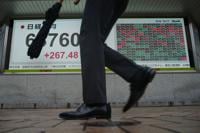
A person walks in front of an electronic stock board showing Japan's Nikkei index at a securities firm Tuesday, Sept. 15, 2026, in Tokyo. (AP Photo/Eugene Hoshiko)

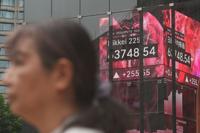
A person stands in front of an electronic stock board showing Japan's Nikkei index at a securities firm Tuesday, Sept. 15, 2026, in Tokyo. (AP Photo/Eugene Hoshiko)

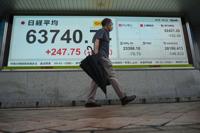
A person walks in front of an electronic stock board showing Japan's Nikkei index at a securities firm Tuesday, Sept. 15, 2026, in Tokyo. (AP Photo/Eugene Hoshiko)