The United States and Iran each say they control the Strait of Hormuz after attacks over the weekend stretching across the wider Middle East.
From
To

Featured Top Story
Iranian state media reported explosions, including in the port city of Bandar Abbas on the strait and in Sirik, another southern coastal city.
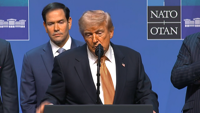
Trump threatened to strike Iran’s civilian infrastructure, including electric plants and desalinization plants, and to seize Kharg Island.
Featured Top Story
The U.S. agreement to immediately allow Iran to sell its oil freely and the offer to eventually lift all sanctions.
Politics
Featured Top Story
The crash occurred with the Middle East still reeling after Iran and Israel exchanged fire the previous day.
Featured Top Story
The deal would extend the ceasefire by 60 days and reopen the Strait of Hormuz as new talks are held on Iran’s disputed nuclear program.
Featured Top Story
Iran and the United States have reached an impasse again over how to end their war. Their ceasefire is growing increasingly shaky.
The blockade, announced by U.S. Central Command, will affect vessels entering or leaving Iranian ports.
Trump has warned Iran that the U.S. could set the country 'back to the stone ages,' including targeting power plants and bridges.

Featured Top Story
President Trump voices frustration with allies as Iran war, strait closure pushes fuel prices higher
Spot prices of Brent crude, the international standard, hovered around $106 a barrel Tuesday, up more than 45% since the war started Feb. 28.