

The plight of Indigenous peoples and the protection of the Amazon take center stage on Pope Leo XIV’s penultimate day in Peru as he visits communities in the Andes and the rainforest. Echoing Pope Francis, Leo will emphasize Catholic teaching that links care for the most vulnerable with care for God’s creation. He travels first on Sunday to Cusco, the former capital of the Inca empire, before flying to the Amazonian city of Pucallpa, where protecting the rainforest from illegal mining and deforestation will be a central theme.
From
To


AP
MELBOURNE, Australia (AP) — A 17-year-old boy with autism was found alive Thursday after six days lost in eastern Australian woodlands.


AP
MANAUS, Brazil (AP) — A coalition of environmental and human rights advocacy groups has filed 14 legal complaints with European financial regu…

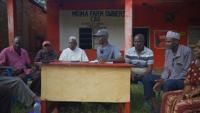
Farmers and community elders in coastal Kenya fear a proposed mining project could threaten their livelihoods and a sacred forest where their ancestors are buried. The government is seeking a developer for deposits containing rare earth minerals used in electric vehicles, wind turbines and defense technologies. Residents say they lack information about where mining would take place, whether they would have to move and how their land and traditions would be protected. Kenya hopes mining will create jobs and boost its economy, but questions about consultation, compensation and environmental safeguards remain unanswered.
AP
FILE - The main entrance of the meat processing company JBS is visible in Porto Velho, Rondonia state, Brazil, July 12, 2023. (AP Photo/Andre Penner, File)

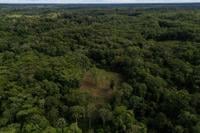
MEXICO CITY (AP) — A group of U.S. lawmakers on Thursday urged Secretary of State Marco Rubio not to support Colombia’s plans to restart aeria…

AP
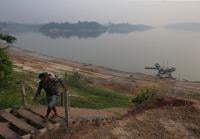
Environmentalists, Indigenous groups and climate scientists are relieved after President Luiz Inácio Lula da Silva's reelection in Brazil. They welcome the prospect of continued Amazon rainforest protection and climate action. Lula defeated Sen. Flávio Bolsonaro, son of former President Jair Bolsonaro, in Sunday's runoff. Lula's victory reflects shifts in voter support and higher turnout, especially in the Amazon, where Indigenous communities mobilized. Lula's government recently announced the lowest Amazon deforestation rate on record. However, he faces a Congress dominated by the far right and agribusiness interests, which often back measures weakening environmental protections. Flávio Bolsonaro refused to concede Monday and said he would ask the electoral court to nullify the results.

AP
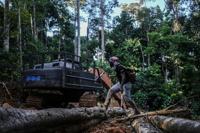
Suriname’s Saamaka tribe turns to mapping and documenting in effort to protect the Amazon rainforest
TUTUBUKA, Suriname (AP) — Deep in Suriname’s Amazon rainforest, Navaldo Vola hacked through thick vegetation with a machete, leading a group o…

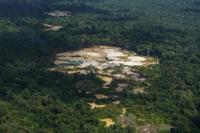
The Saamaka people in Suriname are using modern technology to map their ancestral lands. They hope to get government recognition and protection against illegal logging and mining. Last year, Suriname pledged to protect its forests, but the Saamaka say incursions continue. They use satellite images and GPS mapping to document these activities. Despite a court ruling in their favor, the Saamaka still lack legal control over their territory. Community leaders emphasize the need for government action to secure their land rights and preserve the forest for future generations.

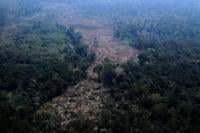
SAO PAULO (AP) — While Brazil's presidential candidates have not made policy of the Amazon a major campaign topic, climate scientists and envi…