

WASHINGTON (AP) — President Donald Trump's administration is planning a dramatic overhaul of Head Start that would gut its quality standards, …
From
To


WASHINGTON (AP) — A federal judge is allowing the Department of Homeland Security to go ahead for now with plans to build a border wall throug…


NEW YORK (AP) — The Trump Administration has announced an overhaul to the rules governing a critical piece of Civil Rights-era legislation, mo…

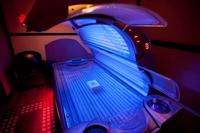
Experts are worried about tanning's resurgence among young adults, fueled by social media. Some influencers are also encouraging the use of tanning beds. Gen Z adults are less informed about sun protection and more likely to believe misconceptions about tanning. Misinformation is also spread on social media about tanning. Despite tanning beds being classified as cancer-causing, federal regulations have stalled. Experts stress there is no safe tan and young tanning bed users are more likely to develop melanoma, a potentially life-threatening skin cancer. Parents are encouraged to communicate with their teens about the risks of tanning.


As Trump boosts nuclear power, regulators seek to eliminate a longstanding radiation safety practice
The Nuclear Regulatory Commission is proposing to eliminate a foundational safety principle that has for 50 years minimized the radiation people in the United States are exposed to, and that has been adopted around the world. This comes as President Donald Trump attempts to quadruple domestic production of nuclear energy. Facilities such as nuclear plants, hospitals or academic institutions that use radioactive materials must ensure that radiation exposure is kept as low as reasonably achievable. The NRC wants to use a so-called “graded approach” instead, with several actions facilities must take depending on the amount of radiation workers could be exposed to. Maximum radiation exposure limits aren’t changing.


Trump returns to correspondents' dinner for a rambling, insult-filled speech 3 months after shooting
President Donald Trump returned to the rescheduled White House Correspondents' Association dinner Friday night, delivering a rambling, hourlon…


BRUSSELS (AP) — The European Commission on Friday said it found TikTok had not adequately protected children’s privacy rights on its platform …

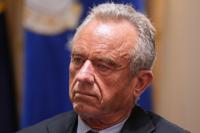
Federal health advisers are recommending broader access to controversial chemicals called peptides. The unapproved injections have become a popular wellness trend, promoted by influencers and celebrities. A panel of advisers narrowly voted Thursday to ease access to BPC-157 and several other peptides. The two-day meeting comes at the direction of Health Secretary Robert F. Kennedy Jr., who has described himself as a “big fan” of peptides. Some experts invited by the FDA have financial ties to the peptide industry, including several doctors who run clinics that offer the injections.


BRUSSELS (AP) — The European Union on Thursday hit Google with a fine of 890 million euros ($1 billion) after it said the technology behemoth …

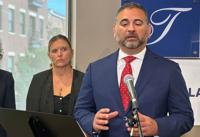
LOUISVILLE, Ky. (AP) — A ghost gun company has been ordered to pay more than $100 million in the death of a Kentucky teenager who had purchase…