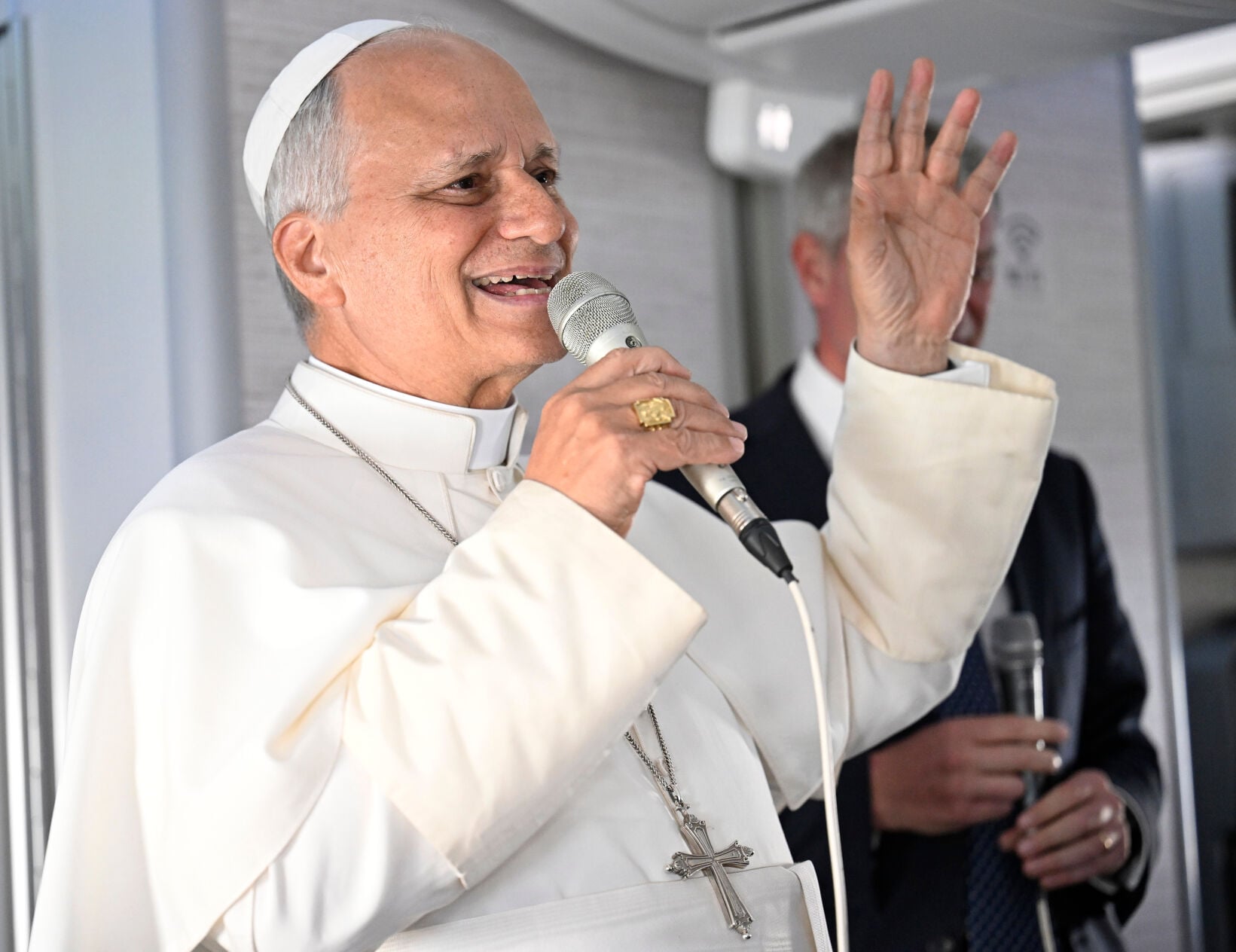
Pope Leo XIV says his recent lung cancer surgery hasn't changed his agenda or outlook. He remains focused on unity and healing within the church. During a news conference on Monday, Leo seemed energetic and joked about his recovery. He had a cancerous tumor removed from his lung in October. Leo, 71, credits good doctors and prayer for his recovery. He emphasizes unity as his top priority, avoiding divisive issues like ordaining married men. Leo also acknowledges the need for canonical changes to address spiritual abuse. He met with abuse survivors in Peru and recognizes the issue's seriousness.
From
To

AP
Pope Leo XIV has bid farewell to his beloved homeland of Peru. Leo offered an “hasta luego” as he left the Vatican residence in Lima. On Monday, the pope visited a home for the elderly that he tended to during the COVID-19 pandemic before celebrating Mass in Lima, which the Vatican said drew some 1.5 million people. Leo spoke to the crowd outside the Vatican residence. He thanked Peruvians for having accompanied him on his trip. The end of his trip to Peru marks the conclusion of a 12-day tour of South America that tested his stamina after lung cancer surgery.

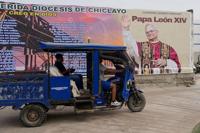
Pope Leo XIV arrives in Uruguay at start of South American tour less than a month after lung surgery
Three weeks after lung cancer surgery, Pope Leo XIV has opened a three-nation tour of Latin America by declaring he felt better than he looked and crediting God, good doctors and his healthy lifestyle with his quick recovery. The 71-year-old pope arrived in Montevideo, Uruguay, Latin America’s most secular country. It came after a 13 1/2-hour flight from Rome during which he acknowledged “some people” had doubted whether he could make the grueling, 12-day trip at all. As if to prove his point, he immediately got down to business. He drew some 30,000 people as he pulled into Montevideo in his open-sided popemobile.

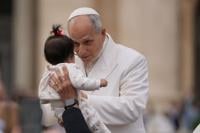
Pope Leo XIV is embarking on the longest and farthest trip of his pontificate three weeks after lung cancer surgery. The U.S.-born Leo is returning home to Peru, where the former Robert Prevost lived for two decades as a missionary priest and learned to be the pastor he is today. Leo is also going to Argentina, the home of his predecessor, Pope Francis. It will be a homecoming of sorts there, too, since Francis never returned to Argentina after his 2013 election, leaving a complicated legacy that Leo will now have to navigate. Leo starts his journey Friday in Uruguay, the least Catholic, most secular country in all of Latin America.

AP
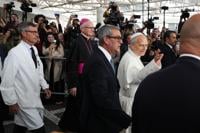
Pope Leo XIV, followed by, from left, surgeon Stefano Margaritora, Archbishop Petar Rajič, prefect of the Papal Household, and Commander of the Vatican Gendarmerie Gianluca Gauzzi Broccoletti, leaves Rome's Agostino Gemelli Polyclinic on Saturday, Oct. 17, 2026, after Tuesday's surgery to remove lung cancer. (AP Photo/Alessandra Tarantino)

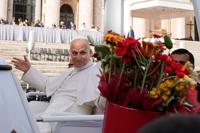
Pope Leo XIV will miss a planned trip to the Italian town of Assisi next week. Doctors advised against the helicopter journey as he recovers from lung cancer surgery. A follow-up chest X-ray confirmed he was recovering well, but the Vatican announced Friday that the 71-year-old pontiff was advised not to travel so soon after the removal of a lobe of his lungs. Instead, Leo will send a message to participants in the event marking the 40th anniversary of St. John Paul II’s World Day of Prayer for Peace. The Vatican said Leo wants to reaffirm his belief in peace and dialogue.

AP Featured Top Story
Pope Leo XIV won't need further treatment after doctors confirmed his lung cancer had not spread. The Vatican released a statement Wednesday. Leo returned to the Vatican on Saturday after having the lower lobe of his right lung removed. The surgery confirmed he had lung adenocarcinoma, the most common type of lung cancer. His personal physician and surgeon said tests on the tissue removed during surgery confirmed the initial diagnosis and that the cancer had not spread. A subsequent assessment confirmed no further treatment is necessary.
Featured Top Story
Pope Leo XIV has lung cancer and had the lower lobe of his right lung removed, the Vatican announced Tuesday.


Featured Top Story
It is recommended to test homes every two years for radon risk.


Featured
University of Nevada, Reno Extension offers free radon test kits through February.