Featured Top Story
Higher mortgage rates can add hundreds of dollars a month in costs for borrowers, limiting homebuyers’ purchasing power.
Higher mortgage rates can add hundreds of dollars a month in costs for borrowers, limiting homebuyers’ purchasing power.
Inflation has exceeded the Fed’s 2% target since early 2021 when the U.S. economy overheated as it roared back from COVID-19 lockdowns.

U.S. inflation cooled last month as the cost of gas, clothes, and used cars fell, providing some relief to consumers.

Fed policymakers “have no tolerance for persistently elevated inflation,” Kevin Warsh said in written remarks.
Home sales have been mostly hovering close to a 4-million annual pace going back to 2023.
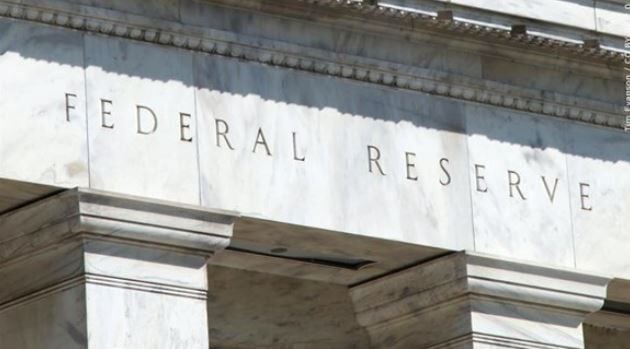
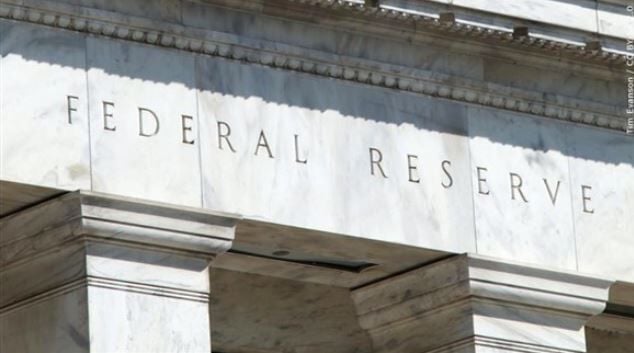
The Federal Reserve kept its key rate unchanged Wednesday yet half the central bank’s policymakers said they could support a rate hike later this year.
Consumer prices rose 4.2% in May from a year earlier, up from 3.8% in April and the third straight increase.
The average rate remains below 6.85%, where it was a year ago.
U.S. consumer prices climbed a sharply again last month as the 10-week war with Iran pushed energy prices higher.
The Federal Reserve is leaving its benchmark interest rate unchanged for the third straight meeting.
Get up-to-the-minute news sent straight to your device.