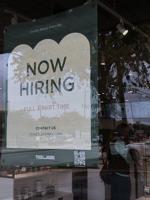
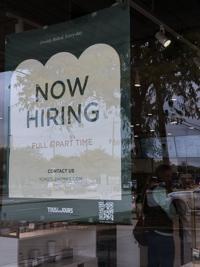
U.S. employers added a disappointing 29,000 jobs and the unemployment rate ticked up last month, the government reported Friday. Hiring dropped from a revised 133,000 in August, the Labor Department said. The unemployment rate rose to a still-low 4.2% from 4.1% in August. Meanwhile, the average long-term U.S. mortgage rate jumped this week to its highest level in nearly three years. The benchmark 30-year fixed-rate mortgage rose to 7.28% from 7.03% last week, mortgage buyer Freddie Mac said Thursday, the biggest leap in several years. A year ago, the average rate was 6.34%.
From
To


The average long-term U.S. mortgage rate remained above 7% this week, reaching its highest level in nearly three years. The benchmark 30-year fixed-rate mortgage rose to 7.28% from 7.03% last week, mortgage buyer Freddie Mac said Thursday. A year ago, the average rate was 6.34%. This is the sixth week in a row that mortgage rates have increased. The average rate is now the highest it’s been since Nov. 22, 2023, when it was at 7.29%.


The average long-term U.S. mortgage rate rose this week above 7% for the first time since January 2025, the latest affordability setback for prospective homebuyers following a five-week run of rate increases. Mortgage buyer Freddie Mac said Thursday that the weekly average rate on a 30-year fixed-rate home loan rose to 7.03% from 6.95% last week. One year ago, the average rate was 6.30%. The average rate on 15-year fixed-rate mortgages, often sought by borrowers refinancing a home loan, also rose. Expectations of higher inflation amid surging oil prices have pushed up the long-term bond yields that influence mortgage rates.


America In Focus: Affordability concerns rise as Fed hikes key rate, mortgage rate reaches nearly 7%
The Federal Reserve raised its benchmark interest rate Wednesday for the first time since 2023 in an effort to quell stubbornly high inflation, and the central bank signaled another rate hike could occur later this year. The quarter-point increase lifts the Fed’s key rate to about 3.9% and, over time, could result in higher borrowing costs for mortgages, auto loans and credit cards. Meanwhile, the weekly average rate on a 30-year fixed-rate home loan has been rising for months and this week climbed to just below 7% — its highest level in over 19 months. The benchmark 30-year fixed rate mortgage rose to 6.95% from 6.76% last week, mortgage buyer Freddie Mac said Thursday. One year ago, the average rate was 6.26%.


The U.S. stock market rallied to its best day in six weeks after oil prices fell and pressure from the bond market eased. The S&P 500 jumped 1.1% Thursday for just its second rise in the last nine days. The Dow Jones Industrial Average added 0.6%, and the Nasdaq composite climbed 1.7%. Stocks got a boost after the price for a barrel of Brent crude oil slid 1% to settle back below $105. That helped pull the yield on the 10-year Treasury down to 4.93%. Gains for Nvidia and other AI stocks helped lead the way on Wall Street.

US mortgage rates brush 7%, weighing on buyers, sellers and further straining a bleak housing market
Home shoppers holding out for relief from rising mortgage rates may be in for a long wait.

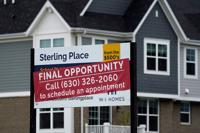
The Federal Reserve just raised the cost of borrowing money — bad news for borrowers, good news for savers. The Fed increased its benchmark interest rate Wednesday by a quarter-point, the first rate hike since the summer of 2023. The move will likely make it even costlier to borrow for homes, autos and other purchases. But if you’ve been socking money away, you’ll probably earn a bit more interest on your savings.

Sales of previously occupied U.S. homes declined in August to their slowest annual pace in more than a year as home shoppers grappled with ris…