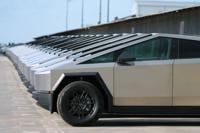
Tesla’s Cybertruck, the hulking, stainless-steel pickup that inspired devotion and derision with its science-fiction looks, will cease production next year. CEO Elon Musk announced the model’s demise Friday with a curt post on X, his social media site, simply noting production of the vehicle “will be winding down” around the middle of 2027 at its facility outside Austin, Texas. Musk said the move was to allow increased production of its Cybercab robotaxi.
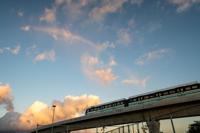
As automated vehicles such as robotaxis become more common on American streets, transit systems are debating whether to go driverless as well. Despite rail being safer than road travel, most U.S. systems still use human operators. Automation has lagged behind Europe, but some cities are now considering it. Washington, D.C., is looking to fully automate its Metro Red Line, and Los Angeles plans a new automated track through the Santa Monica Mountains. Honolulu already operates a driverless train system. The debate centers on safety and cost, with unions resisting automation due to job concerns. Proponents argue automation could enhance safety and efficiency.
FILE - Russian President Vladimir Putin, right, examines a prototype of a driverless vehicle during a visit to the headquarters of tech giant Yandex in Moscow, Russia, on Sept. 21, 2017. (Alexei Druzhinin, Sputnik, Kremlin Pool Photo via AP, File)