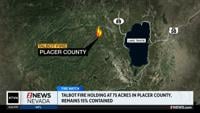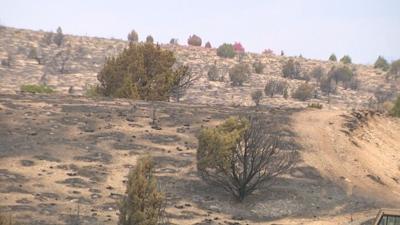

Many wild animals are being forced out of their homes in the face of several wildfires raging in the region.
“Wildlife can be forced out of an area due to firefighting activity, smoke or other, you know, humans in the area,” said Kenzie Margiott, Public Information Officer for the Nevada Department of Wildlife (NDOW). “It's important to be mindful that they might pass through your neighborhood or those developed areas, as they look for their next suitable habitat.”
According to NDOW, heavy or prolonged smoke can irritate animals’ eyes and respiratory systems and make breathing more difficult. Fire, smoke, noise, and increased human activity can also cause additional stress and disrupt normal behaviors like feeding and resting. These impacts are causing animals to venture into more populated areas.

“It can be anything from birds to rabbits to coyotes to deer to antelope, and everything in between. No specific species is on the move because every species reacts differently to conditions like this,” said Margiott.
The department says fires mean a loss of food source for many species, as well as changes to water sources and quality during and after a fire. These animals are now looking for a safe place, which could mean someone's neighborhood.
“I know our instinct is to help them. We want to give them food. We want to give them water. It's actually illegal to feed big game, and we don't want to leave out water because you can actually create bad habits and bring more animals to your area.” said Margiott. “Then you can have congestion and animals are more likely to get hit.”
NDOW says the best way to co-exist with these animals is to give them space and keeps pets away and on leashes. And, to pay extra attention to roadways, especially at dawn and dusk. It’s also important that residents don’t chase after the animals or try to scare them away.
Not every unusual wildlife sighting needs to be reported, however if you believe an animal is injured, distressed, or posing a public safety risk, please contact NDOW dispatch at (775) 688-1331. More information about wildlife sightings can be found here.