While tornadoes are not unheard of in Nevada or California, they are rare. Especially strong tornadoes with a rating of EF2 or greater. California does have a slightly higher chance of seeing tornadoes than Nevada. There was a tornado reported near Fresno earlier this week, with a rating of EF-1.
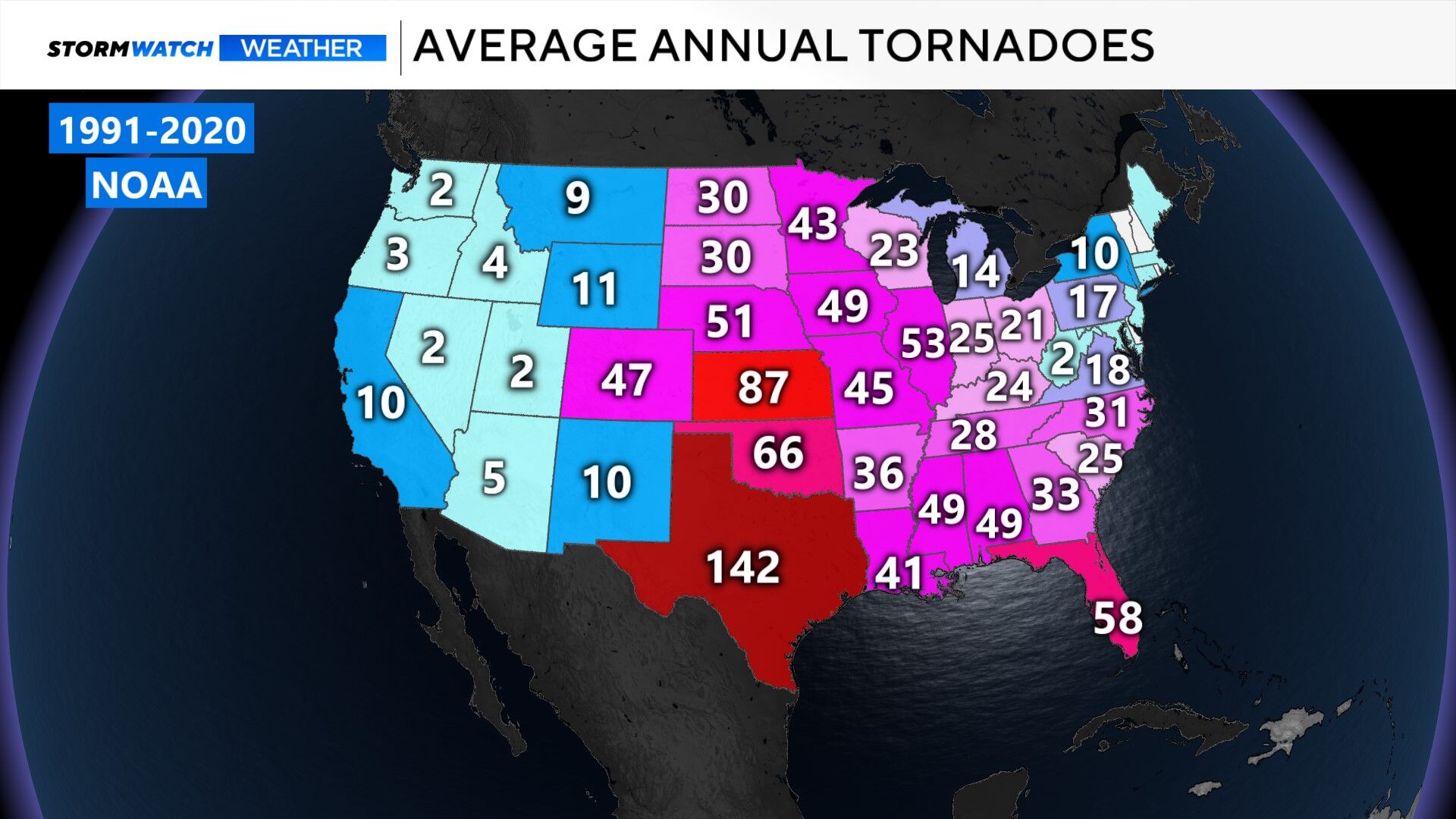
According to NOAA Nevada sees roughly two tornadoes each year, or .2 tornadoes per 10,000 square miles. Texas sees roughly 142 tornadoes each year, or 5.2 tornadoes per 10,000 square miles each year.
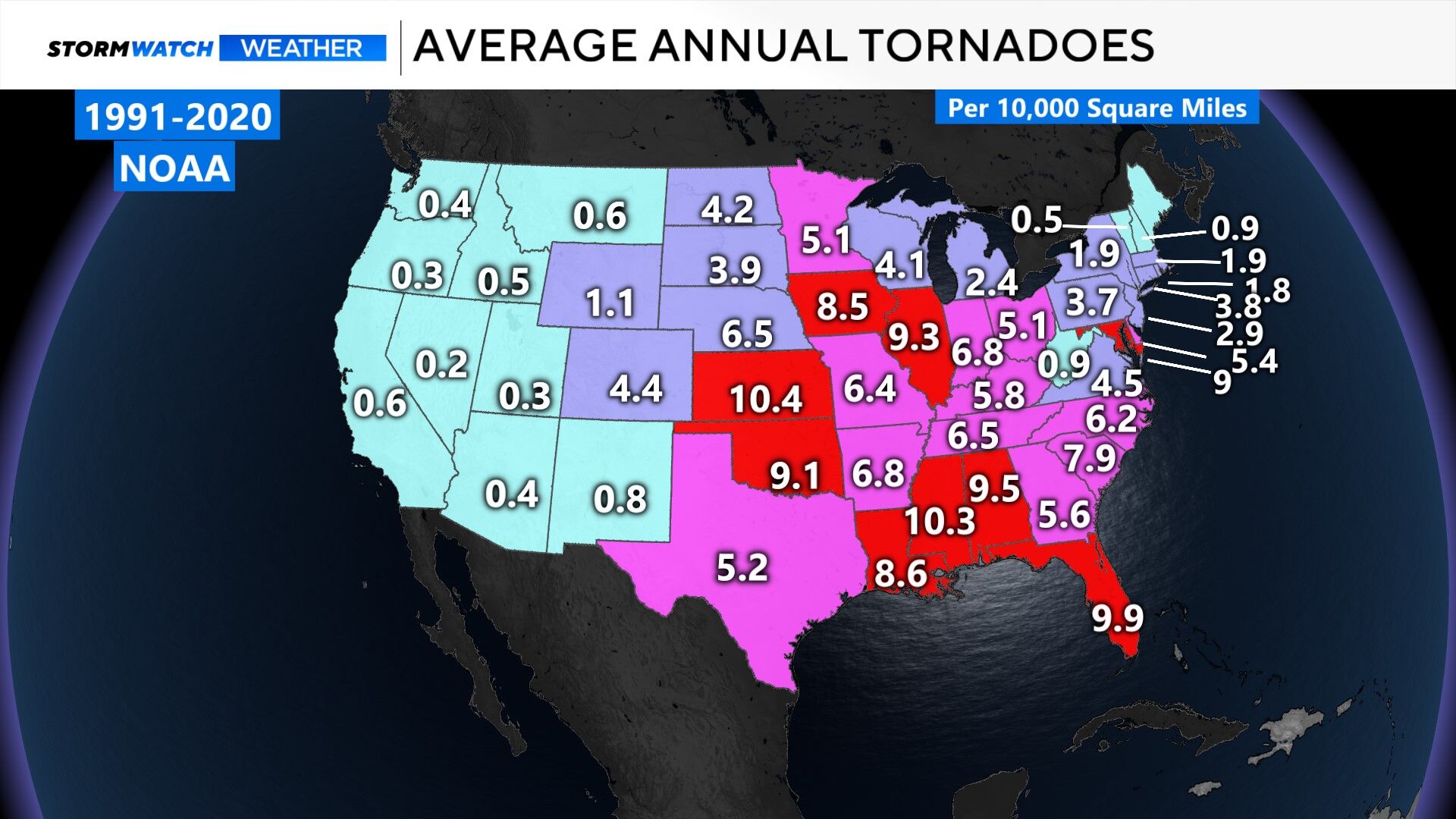
The size of the state matters. Data that shows only the number of tornadoes puts Texas as the most tornadic state in the country, but if you look at it per 10,000 square miles, then Kansas is the most tornadic state in the country. Louisiana, Mississippi, and Alabama are in the same ballpark as Oklahoma and Kansas. Keep in mind that hurricanes can spin up tornadoes as well, granted they are usually a little weaker, but can still cause some damage.

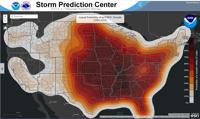

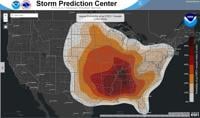
Nevada does get small hail and gusty winds from thunderstorms, but their impacts are usually much less than the plains. Our biggest threat would be fire starts, and outflow winds causing any ongoing or new fires to grow rapidly. Flash flooding can also cause problems.

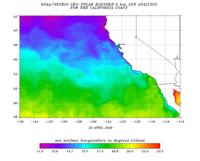
The cold waters of the Pacific Ocean protect the west coast from seeing violent tornadoes. Severe thunderstorms thrive off of warm air, and changes in wind direction or speed with height. Thunderstorms tend to develop along boundaries, with differences in air masses. Whether that be dry air vs. moist air, or cold air colliding with warm air.

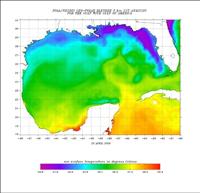
States along and east of the Rockies get fed from the warm ocean waters of the Gulf or the Atlantic. When the humid ocean waters of the Gulf collide with warm dry air from the west, thunderstorms are more likely.

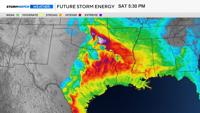
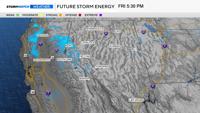
As a frame of reference, CAPE (Convective Available Potential Energy), is food for thunderstorms, and in Northern Nevada values are usually less than a 1000 j/kg whereas for Tornado Alley CAPE values are usually above that. On a very active severe weather day they can even top 3,000 j/kg.

Our thunderstorms tend to be short lived and if they do reach severe limits, the warnings are not issued for very long. They are also usually much shorter than big supercells you would see in the plains or southeastern United States.