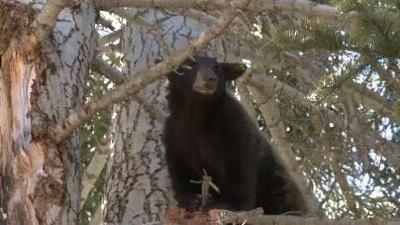
In terms of bear conflict, Chris Healy with the Nevada Department of Wildlife says 2016 has been a relatively quiet year.
Healy says in just over nine months, NDOW has only handled 49 bears. That compares to 114 in 2015 and 140 bears in 2014.
“These drought years can be really tough on animals and tough on humans, it's just nice to have a year where the bears aren't in the news as much for negative reasons," says Healy.
Even the number of bears killed by cars is down from 19 to six in just a single year. Healy contributes these decrease in numbers to a great winter in 2015.
"Last year was a pretty good water year, almost 100% of normal depending on where you went and the reason we like that kind of year is because the bears have a fighting chance to remain wild bears, because there's plenty of food back in the back country," says Healy.
Healy says he knows the bears are staying in the mountains because NDOW has collared 20 bears with satellite trackers. This allows them to track and see whether the bears are coming down into human habitat or staying in the back country where they've been released.
Healy says more human interaction with bears could be coming in the fall months. All it takes is a hard frost to cause berries to fall from their trees, and if the food supply runs short in the mountains, bears will travel into the cities and communities looking for calories.
This makes it important for people to start being proactive in harvesting fruit in their yards, to keep the bears away when they come searching for more food.
"Bottom line is they're going to know when that fruit is ripe and if they're not finding other sources of food, they're noses will bring them down into civilization into those urban interface areas," says Healy.