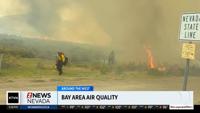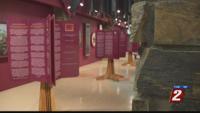

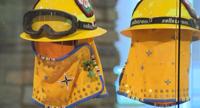

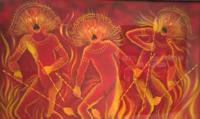
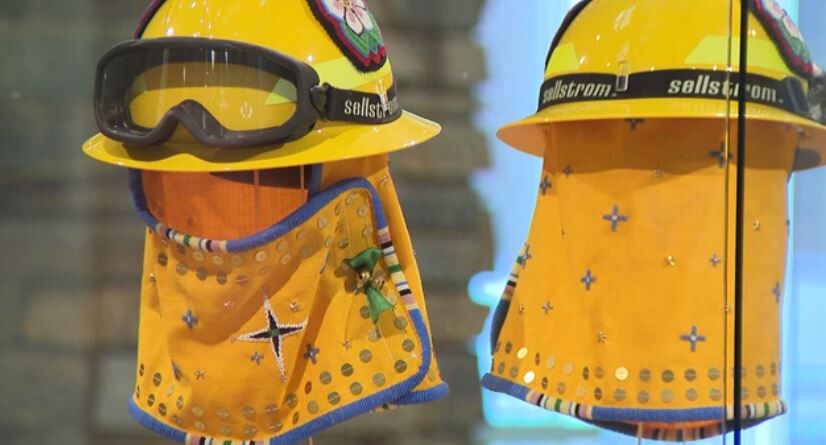
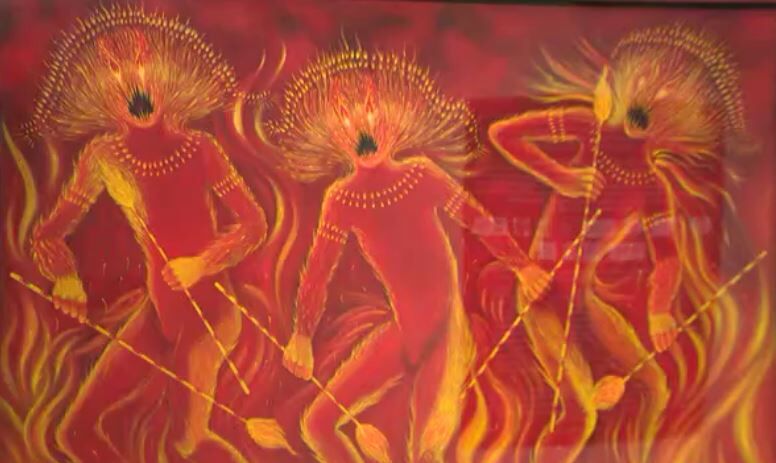
This last fire season was a big one, but forest fires in the Sierra Nevada Forests are nothing new. In fact, a new exhibit just opened up showcasing the history of fires in our area that takes visitors on a 13-thousand-year journey through the history of the sierra Nevada forest, and it's ever growing relationship with fire.
"The forests out west are in trouble, we are experiencing catastrophic wildfire. It has a direct effect on us and the problem seems to be getting worse every single year," said Jeff Brown, former Director of UC Berkley Research Station.
The exhibit starts with a walk through a simulated forest, showing how native Americans used to care for the land by constantly lighting small, controlled burns that not only helped with future plant growth, but cleansed the forest floors.
"We learned that the way it had been managed for thousands of years before we got here works extremely well,” said Brown.
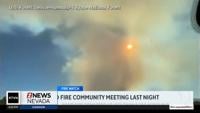
It's also filled with art and stories from creators looking towards the future of wildfires. This is especially important, as this year alone there were 7 thousand fires in California. As we've reported, the Caldor fire burned nearly 222,000 acres, destroyed one thousand buildings, and injured 5 people.
“The forest is very important because it protects the watershed for 10's of millions of people in the west, and it's really in trouble from catastrophic fire," said Forest Fire Co-Creator Heather Llewellyn.
Forest fire management, as co-creator Michael Llewellyn explains, also has a direct impact on our watershed. It is used to not only funnel water into basins, but also as a filter. One that would not work with too much debris from dead leaves and overgrowth.
"The sierra Nevada in general creates fresh water for tens of millions of people in California and Nevada, so to protect that water source, that forest has to be managed in a way that prevents catastrophic fire," said Michael Llewellyn.
The point of the exhibit is to inspire a community conversation about fire in the Sierra Nevada Forest. You can be part of that conversation by visiting the exhibit at the Truckee Community Recreation Center. It will be there, free of charge, until June.