Rain falling across the Truckee Meadows and snow arriving in the Sierra are bringing a timely reminder to Northern Nevada residents: Flood safety is something to think about before water starts rising.
Nevada Flood Awareness Week runs Nov. 8-14, and the Truckee River Flood Management Authority is using the week to remind people about the dangers of floodwaters and the importance of knowing what to do when conditions change.
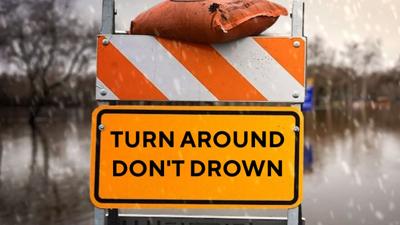
One of the biggest messages is simple: Turn Around, Don't Drown.

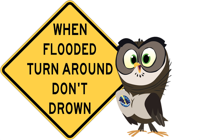
According to the National Weather Service, more than half of flood-related drownings happen when someone drives into hazardous floodwaters. What may look like a shallow stretch of water across a road can quickly become dangerous, even for experienced drivers.
It takes less water than many people realize to create a serious hazard:
6 inches of fast-moving water can knock an adult off their feet.
12 inches of rushing water can carry away most cars.
2 feet of rushing water can carry away SUVs and trucks.
Floodwaters can also hide washed-out roads, debris, and other hazards beneath the surface. A familiar roadway can become dangerous when water begins flowing across it.
Safety officials encourage drivers to never attempt to cross a flooded road or drive around barricades. The safest choice is to turn around and find another route.
Floodwater can carry more than just water
Flooding can create health and safety hazards even when the water does not appear to be moving quickly.
Floodwater can contain sewage, chemicals, sharp debris, and other contaminants. Downed power lines and submerged electrical equipment can also create dangerous electrical hazards.
People are encouraged to avoid contact with floodwater whenever possible. Items exposed to contaminated water may need to be properly cleaned, disinfected, or discarded.
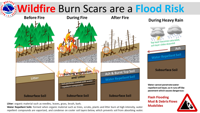
Wildfire burn scars bring additional flood risks
Another concern across Nevada is the increased risk of flash flooding in areas affected by wildfires.
Wildfires remove vegetation that normally helps absorb rainfall and hold soil in place. Intense heat can also make the ground less able to absorb water, allowing rain to move downhill much faster.
That runoff can carry mud, rocks, and other debris, creating dangerous flash floods and debris flows. Even relatively short or moderate rainstorms can trigger these conditions near burned areas.
The danger isn't limited to the burn scar itself. Communities, roads, and properties downhill or downstream can also be affected. The increased risk can continue for years as vegetation recovers.
People who live, work, or travel near recent burn scars are encouraged to pay close attention to weather forecasts and flash flood warnings, know their evacuation routes, and stay away from drainage channels, washes,
and areas where water or debris could flow.

Knowing your flood risk before the next storm
The Truckee River Flood Management Authority encourages residents to understand their local flood risks and prepare before the next major storm.
The agency's Know the Flow resource library includes flood safety tips, emergency planning information, and other resources to help people prepare.
The National Weather Service also offers information through its Turn Around, Don't Drown campaign.
The Truckee River will flood again, and while regional flood management projects work to reduce potential damage throughout the Truckee Meadows, knowing how to recognize dangerous conditions and respond appropriately is something everyone can do.
As Nevada Flood Awareness Week continues, officials are encouraging residents to share flood safety information with family, friends, and neighbors.
Know your risk. Make a plan. Be prepared.