





NEW YORK (AP) — A chaotic climate phenomenon is intensifying heavy rains and floods in the Southwest, experts say.
A natural warming cycle called El Niño is sizzling Pacific Ocean waters, leaking moisture into the air that can fuel passing storms. Such El Niño events can happen irregularly every couple of years, but scientists say the latest iteration is particularly extreme.
“We’ve had super El Niños in the past, but this is a super duper El Niño,” said meteorologist Jeff Masters of Yale Climate Connections.
The phenomenon wasn't the only cause of the severe storms, but scientists say it's making heavy rains more likely and intense across the Southern U.S.
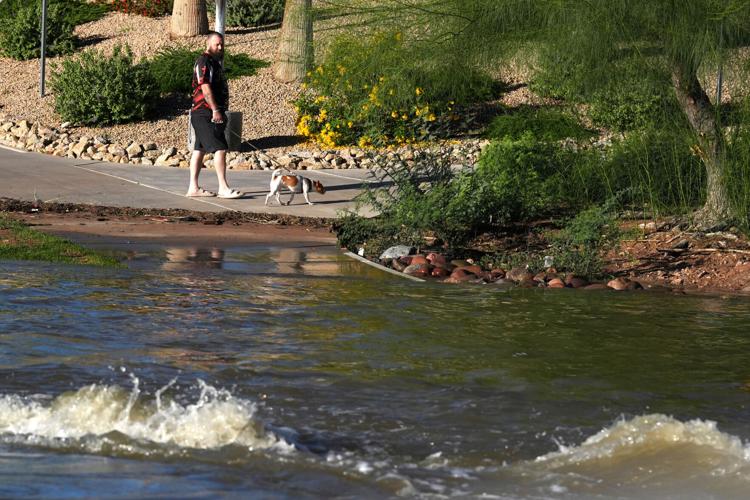
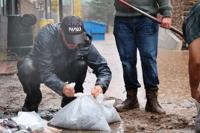
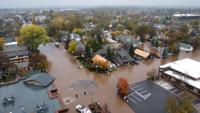
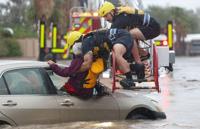
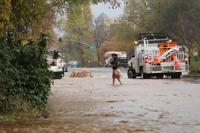
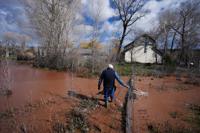
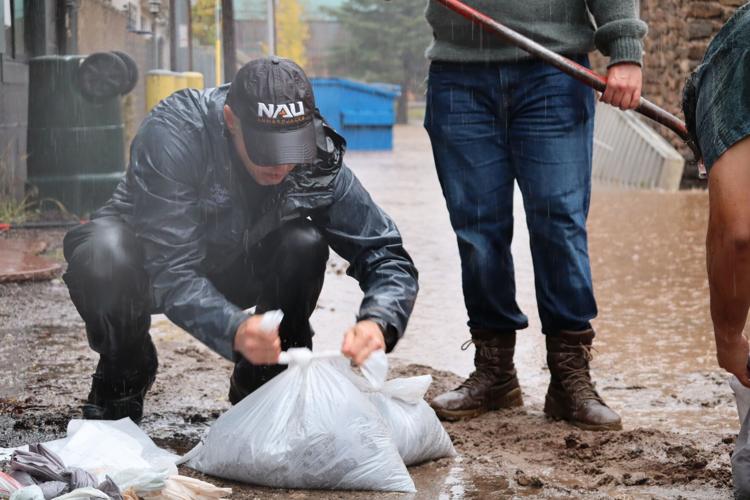
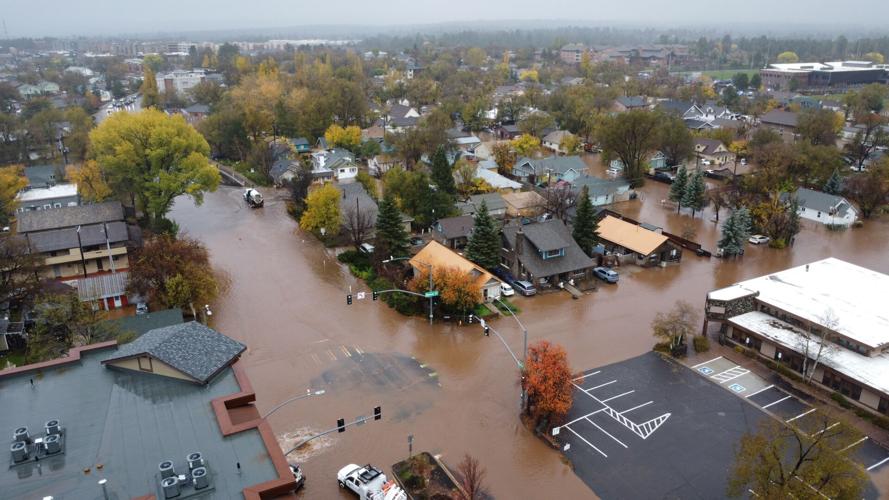
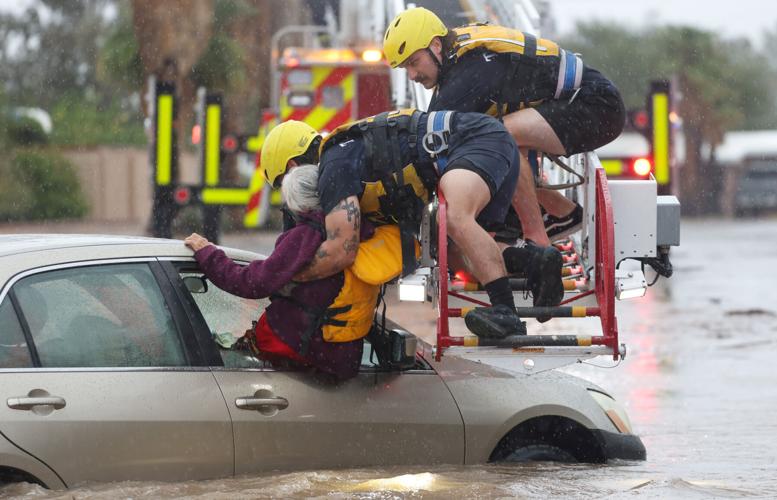
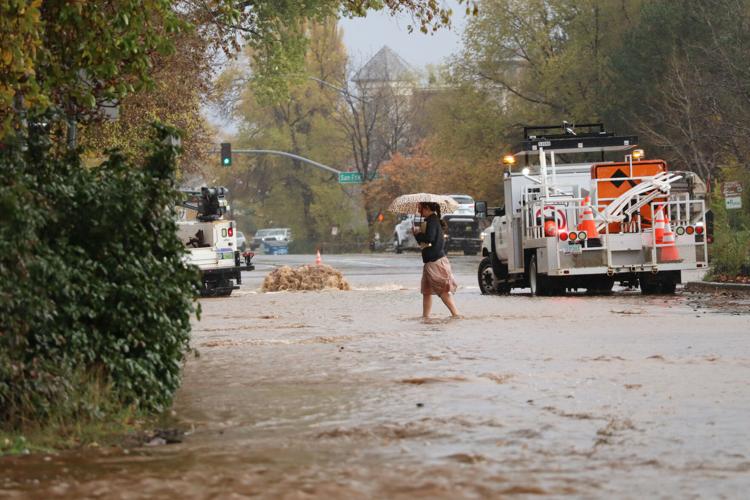
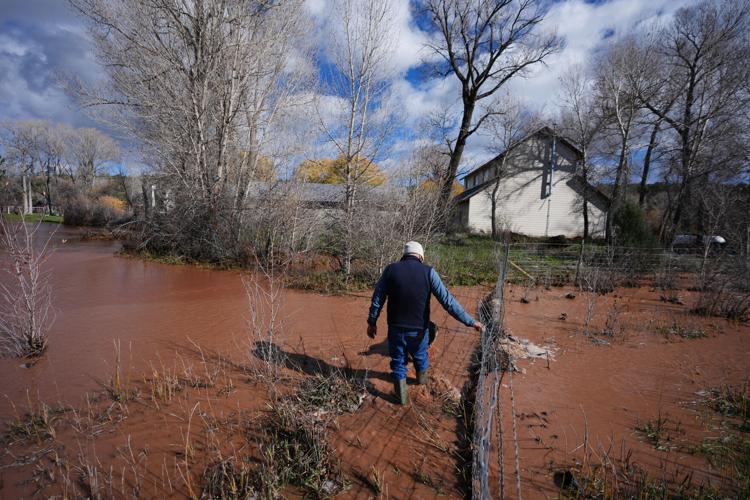
Flash floods on Sunday prompted evacuations across northern New Mexico and central Arizona, and a Colorado ski town braced for its main river to rise to catastrophic levels. And just last week, another wet storm subjected southwestern states to days of flooding.
Over 20 trillion gallons of water have fallen on the Four Corners states and Nevada in the past two weeks, according to calculations by former National Oceanic and Atmospheric Administration chief scientist Ryan Maue.
Experts say this year's extreme El Niño is adding more moisture to the air and shifting atmospheric winds toward the Southwest, creating more ideal conditions for storms.
“The likelihood of big precipitation in the Southwest interior does go up this time of year, but we’re seeing it to a degree we actually haven’t seen before,” said climate scientist Daniel Swain with the University of California Agriculture and Natural Resources.
The world's oceans have already warmed over time because of human-caused climate change, and the El Niño heats things up even more.
“The fact that the ocean temperatures are already warmer than they were, say, 100 years ago, makes these El Niño situations even more intense,” said meteorologist Randy Cerveny with Arizona State University.
The phenomenon is changing weather patterns around the world: regions including Peru and Ecuador are also seeing record-breaking flooding, Swain said. The El Niño event is expected to peak in December, and experts say its onslaught could continue for months afterward.
To stay safe, experts recommended watching the forecast, planning ahead and heeding evacuation warnings from local authorities.
“We’re not at the peak of the heating in the Pacific Ocean. So yes, we will see more of these particular events,” Cerveny said.
—-
The AP’s climate and environmental coverage receives financial support from multiple private foundations. The AP is solely responsible for all content. Find AP’s standards for working with philanthropies, a list of supporters and funded coverage areas at AP.org.