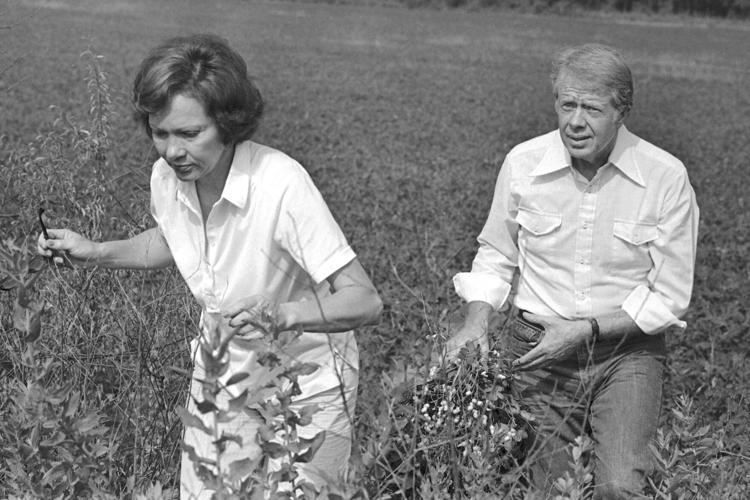


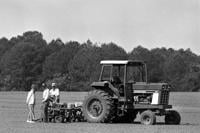
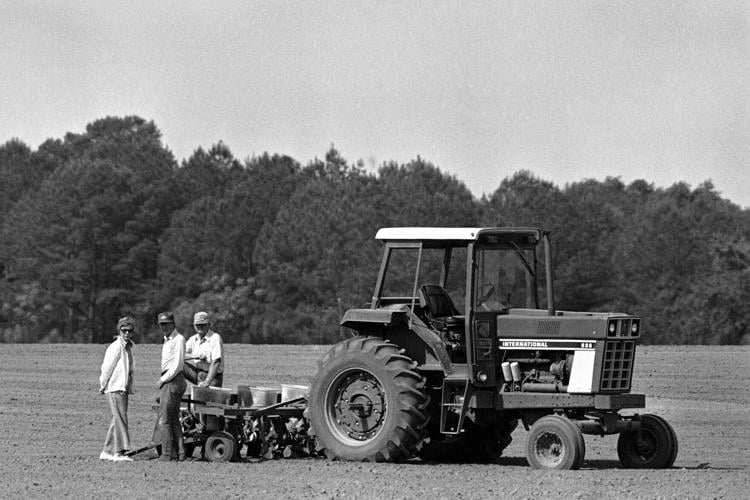
The family farm where President Jimmy Carter tended peanuts, corn and sugarcane as a boy and later returned throughout his life will be preserved and opened to the public.
Preservation group The Conservation Fund said Monday that it has acquired the farm as part of a 2,458-acre (995-hectare) purchase. The farm is just outside Plains, Georgia, the 39th president's hometown. Carter spent his youth exploring the woods around the farm and returned many times as an adult to walk with his wife Rosalynn and hunt, the fund said.
Near the end of his life, Carter, who died in 2024 at 100, returned to the farm for one final fishing trip to its pond. Rosalynn Carter died in 2023.
“For our family, this land was always about more than a farm. It was home — a place my grandparents treasured. We’re grateful to The Conservation Fund and to everyone working to make sure it’s protected for generations to come,” Jason Carter, a grandson of the Carters, said in a statement.
The farm should be open to the public for hunting, fishing and outdoor recreation as soon as next year, The Conservation Fund said. The fund said it plans to transfer the land to the Georgia Department of Natural Resources the following year. The purchase price was $8.5 million, The Washington Post reported.
The family kept a stand of mature longleaf pines at the farm at Carter's request, The Conservation Fund said. One of his final decisions about the property was to replant much of it with young longleaf pines, the fund said.
The replanting effort means the property is a natural fit to expand Georgia's Lanahassee Creek Wildlife Management Area, which will grow to almost 7,000 acres (2,833 hectares), the fund said. The Plains area is also home to Jimmy Carter National Historical Park, which includes Carter's boyhood home.
“Long before Jimmy Carter protected millions of acres across America, he was a boy working the fields and roaming the woods of southwest Georgia,” said Stacy Funderburke, vice president of the central Southeast region at The Conservation Fund. “This land shaped him and his legacy, and he never stopped coming home to it. We’re honored to help ensure this land remains healthy habitat for wildlife, and we look forward to the day it is open to everyone who wants to experience it.”