Trump

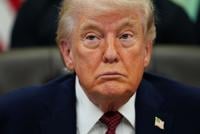
President Donald Trump listens to speeches before signing an executive order in the Oval Office of the White House, Saturday, April 18, 2026, in Washington.
As featured on
President Donald Trump has signed a bill extending a controversial surveillance program until April 30. The bill was approved by the Senate on Friday in a last-minute scramble to prevent Section 702 of the Foreign Intelligence Surveillance Act from expiring on Monday. Trump and Republican leaders pushed for its renewal, calling it a matter of national security. Critics are concerned about its impact on civil liberties. The program permits the CIA, National Security Agency, FBI and other agencies to collect and analyze vast amounts of overseas communications without a warrant. In doing so, they can incidentally sweep up communications involving Americans who interact with foreign targets.


Iran has reversed its decision to reopen the Strait of Hormuz and has warned that it would continue to block transit through the strait as long as the U.S. blockade of Iranian ports remained in effect. The escalating standoff over the critical chokepoint threatens to deepen the energy crisis roiling the global economy. It could also push the two countries toward renewed conflict, even as mediators have expressed confidence a new deal was within reach. The strait is closed until the U.S. blockade is lifted, Iran’s Revolutionary Guard navy said Saturday night.

Get up-to-the-minute news sent straight to your device.