It may not feel like it... but this weekend is officially the last weekend of summer! The autumnal equinox arrives Tuesday afternoon at 5:05 p…
From
To

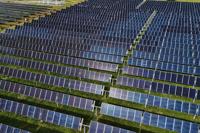
The Trump administration illegally terminated a $7 billion Solar for All program intended to make solar power accessible to more than 900,000 …
FILE - Solar panels operate, April 28, 2026, at a farm in Christiana, Tenn. (AP Photo/Joshua A. Bickel, File)

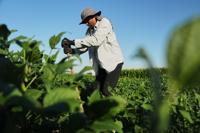
CHAMPAIGN, Ill. (AP) — Research scientist Ashish Rajurkar kneels in the dirt, lifting a large clod of soil tangled around a soybean plant. He …

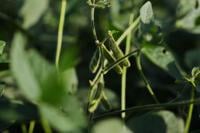
Genetically-engineered soybeans grow Tuesday, Sept. 1, 2026, at a research farm in Champaign, Ill. (AP Photo/Joshua A. Bickel) CORRECTS: Spelling of location to Champaign from Champagne

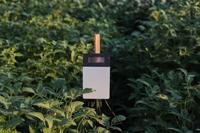
A device measures carbon levels in soil Tuesday, Sept. 1, 2026, at a research farm in Champaign, Ill. (AP Photo/Joshua A. Bickel)

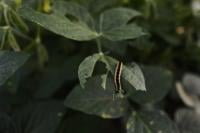
A caterpillar crawls on the leaf of a genetically-engineered soybean plant Tuesday, Sept. 1, 2026, at a research farm in Champaign, Ill. (AP Photo/Joshua A. Bickel) CORRECTS: Spelling of Champaign from Champagne

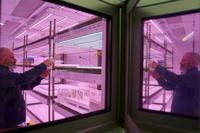
Todd Michael, a research professor at the Salk Institute for Biological Studies, works at his lab in La Jolla, Calif., Wednesday, Dec. 3, 2025. (AP Photo/Annika Hammerschlag)

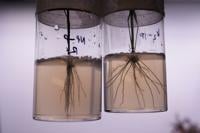
Plants with contrasting root systems, genetically engineered, left, and not, are displayed at the Salk Institute for Biological Studies in La Jolla, Calif., Wednesday, Dec. 3, 2025. (AP Photo/Annika Hammerschlag)

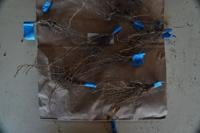
Root samples of genetically-engineered soybeans dry after collection Tuesday, Sept. 1, 2026, at a research farm in Urbana, Ill. (AP Photo/Joshua A. Bickel)