
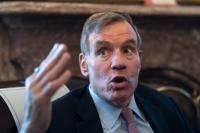
The decision by Senate Democrats to let a key surveillance authority lapse comes as they're increasingly emboldened in their legislative fights against President Donald Trump. Democrats are even blocking traditionally bipartisan bills as they push back against his policies and personnel. It's an approach that represents an escalation from a year ago, when Democratic leader Chuck Schumer was widely criticized within his party for his key vote to side with Republicans and avert a government shutdown. Since then, Democrats have forced shutdowns, slowed Trump’s nominations and now blocked the bipartisan intelligence law as they seek leverage in a Republican Congress.
From
To


AP
BANGKOK (AP) — An American scholar who writes about Myanmar and Chinese foreign policy was arrested by authorities in China on suspicion of sp…


Featured Top Story
The Reno City Council named Sean Garlock the new assistant chief of police during Wednesday's meeting.


Featured Top Story
A Nevada State trooper in Las Vegas fired at a driver who allegedly struck a trooper, a tractor-trailer and another car.

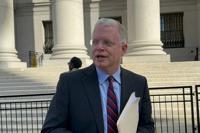
Ex-Taliban commander gets 42 years in prison in killings of US soldiers and journalists' kidnappings
A former Taliban commander has been sentenced in New York to 42 years in prison for crimes including the 2008 kidnapping of a Pulitzer Prize-winning journalist. Haji Najibullah’s sentencing Tuesday capped a daylong proceeding in Manhattan federal court. The reporter, David Rohde, described how Najibullah took part in the abduction of him, another reporter and their driver. Rohde, who is MSNOW’s national security reporter and previously worked for The New York Times and other publications, told Judge Katherine Polk Failla that he was “surprised and disappointed” that Najibullah was trying to blame others and circumstances for his role in the crime. The three escaped from a Taliban-controlled compound in Pakistan's tribal areas after seven months in captivity.


Senators are warning that a key U.S. surveillance authority could expire this week after bipartisan opposition to President Donald Trump’s pick to lead the nation’s intelligence community derailed an extension effort. Section 702 of the Foreign Intelligence Surveillance Act allows intelligence agencies to collect communications from foreign targets overseas without a warrant and is set to expire June 12. Senate leaders had been nearing a deal to renew the program, but support collapsed after Trump named housing finance regulator Bill Pulte as acting director of national intelligence. Intelligence officials say the authority is critical to national security and foreign threat detection.


Featured Top Story
The Washoe County Sheriff's Office arrested 21-year-old Travis Cole Aney who was wanted on felony charges.


President Donald Trump says he wants his new acting director of national intelligence to cut the office, which has already been significantly scaled back during his second term. Trump noted aboard Air Force One the size of the office has been “way too high for way too long” and if Bill Pulte cuts it, he "wouldn’t mind.” The Republican president said in an earlier interview with The Wall Street Journal he has asked Pulte to start the process of firing employees. Trump says Pulte will stay in the acting position depending on how long it takes to get his successor confirmed. The president says he's considering five people but hasn't named them.


WASHINGTON (AP) — Lawyers representing the federal government argued Friday that a court could not stop construction of a White House ballroom…


AP
MOGADISHU, Somalia (AP) — Somalia's opposition supporters and security forces clashed in the capital, Mogadishu, on Thursday for a second day …