
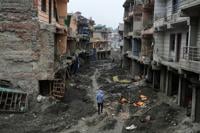
NUWAKOT, Nepal (AP) — Villagers whose families prayed for generations at a local temple now gather around the mound of dirt where it once stoo…
From
To

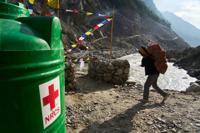
A man carries vegetables past drinking water supplied by the Nepal Red Cross Society, left, in Rasuwa, Nepal, Friday, Nov. 13, 2026. (AP Photo/Niranjan Shrestha)


AP
Turkish President Recep Tayyip Erdogan on Wednesday called for the world to recognize the environmental impacts of the Israel-Hamas war in Gaz…
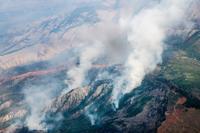
A record number of wildfires burned more than 14,062 square miles in the U.S. this year, leaving behind charred trees and scorched vegetation. But less-obvious are the impacts they had on the streams and rivers that provide drinking water to urban and rural communities across the country. After a wildfire burns a watershed, rain will carry ash and organic matter into the streams that feed water treatment plants for towns and cities. Utilities must turn off the intake to keep the sediment-filled water from contaminating their systems and switch to another source, if it’s available. New studies found that wildfires can contaminate water for up to 15 years. These findings are especially concerning as climate change has led to an increase in the number and size of wildfires in the U.S.

FILE - A slurry line wraps around billowing smoke from the Grizzly Creek Fire on Aug. 24, 2020. (Kelsey Brunner/The Aspen Times via AP, File)

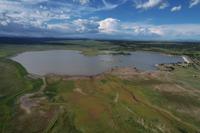
FILE - Storrie Lake is seen Aug. 9, 2022, near Las Vegas, N.M. (AP Photo/Brittany Peterson, File)


WASHINGTON (AP) — A public spat between former Trump administration officials over alleged corruption in public health policymaking is the lat…


Chemical manufacturer 3M will pay up to $7.35 billion to settle lawsuits by people who say they were sickened by groundwater contamination fro…

Featured Top Story
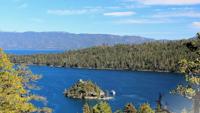
Record pollution cuts helped protect Lake Tahoe, but scientists are now studying what comes next.

Featured Top Story
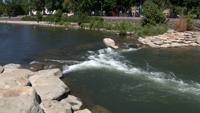
The Truckee Meadows is known for having clean drinking water, and that trend continues with the Truckee Meadows Water Authority’s annual report.