A record amount of clarity-harming pollution was kept out of Lake Tahoe in 2025 as California and Nevada agencies continued efforts to protect the lake's water quality, according to a newly released annual performance report.
The report found that partners in the Lake Tahoe Total Maximum Daily Load Program prevented an estimated 736,600 pounds of fine-grained sediment from reaching the lake through projects including wetland and stream restoration, dust control on roads and construction sites, improvements to stormwater systems and other pollution reduction efforts.
The report, released by the Lahontan Regional Water Quality Control Board and the Nevada Division of Environmental Protection, also found that an estimated 5,875 pounds of nitrogen and nearly 2,120 pounds of phosphorus were prevented from entering the lake in 2025. Both totals are annual record highs since the program began tracking those statistics in 2016.
“Lake Tahoe is an ecological treasure we are committed to protecting now and for future generations,” said Yana Garcia, California Secretary for Environmental Protection. “As we continue to enjoy this special place, we applaud our statewide and interstate partnerships. Without countless regional partners and our colleagues in Nevada, the lake’s extraordinary water quality this summer and in recent years would not be possible.”
Launched in 2011, the bi-state program aims to restore Lake Tahoe's historic water clarity by requiring local governments and highway departments in California and Nevada to implement measures that reduce pollutants before they reach the lake. Rather than requiring the same approach everywhere, the program allows urban partners to use customized pollution reduction strategies and awards credits after the effectiveness of those measures is verified.
According to the report, highway departments and local governments on both sides of the lake exceeded their targeted pollutant reduction goals last year.
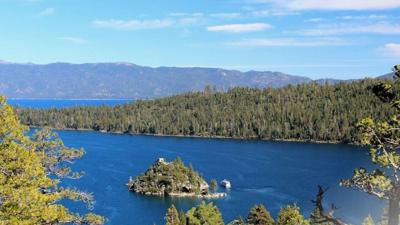
The program's long-term objective is to restore Lake Tahoe's clarity to 100 feet. The lake's annual average clarity measured 69.2 feet in 2025, an improvement of seven feet over the 2024 average. Even so, long-term monitoring shows the lake's clarity has largely plateaued despite continued implementation of the program.
Researchers are now studying factors that were not fully anticipated when the program was created, including wildfires, plankton and invasive species, to better understand how they are influencing the lake's clarity and to improve future strategies.
"Protecting Lake Tahoe requires long-term commitment, strong partnerships, and continued adaptation as new challenges emerge," said Jennifer C
arr, administrator of the Nevada Division of Environmental Protection. "The progress highlighted in this report reflects years of collaboration among agencies and local partners on both sides of the state line. As our understanding of the factors affecting Lake Tahoe's clarity continues to grow, Nevada will continue advancing the science behind the TMDL program to ensure our strategies evolve alongside the challenges facing the lake."
"Lake Tahoe’s clarity is stabilizing, but with new pressures like wildfires and a rapidly changing climate, we must keep refining our approach,” said Ben Letton, Lahontan Water Board executive officer. “We are advancing the science behind the TMDL program to better understand these pressures and will adjust it where needed to protect the lake’s long-term health.”