

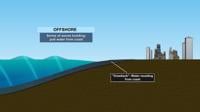
Tsunamis don't happen very often, but when they do, they can cause a lot of damage. They are a series of waves, caused by a large displacement of the ocean. They can reach speeds up to 500mph out in the deep ocean, slowing down as they approach the coastline. The tsunami is oftentimes hardly noticeable out to sea, but gets more noticeable closer to the shore. A shallow coastline will produce a bigger wave than one that is deep. As the tsunami gets closer to the shoreline, the distance between the water and the sand gets smaller, bottling up the energy until it releases on shore.

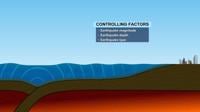
According to the USGS, the bigger the quake, the bigger the tsunami can be. The earthquake that hit off the Russian coastline Tuesday evening was an 8.8, which is almost as high as the scale goes. Large earthquakes can occur on megathrust faults, where one of the plates is subducted under the other. Megathrust faults can produce some of the world's biggest earthquakes. A tsunami can cause the water to recede before it comes back again. According to the Associated Press, the water receded 20-30 feet on the island of Oahu before coming back in, leaving boats dry on sandy beaches for a time.

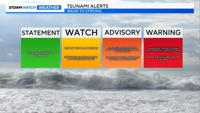
Tsunami Warning Centers issues alerts when a possible tsunami generating event is spotted. A statement is issued when there is no threat, or the event is located very far away. The public can relax. A watch is issued when a distant tsunami is possible. This means people should have a plan and be prepared to act on it if need be. An advisory is issued when there are strong currents and waves, alerting people to stay off beaches and coastlines. A warning is issued when coastal flooding is possible, seek higher ground. Experts use observations and models to monitor current waves and forecast them. Depending on the forecast and observations, they will then update their alerts and messages to the public.