

150 years ago, a development in transportation technology literally put Reno on the map.
These days the talk is how technology is building the new Nevada economy: things like like drones and electric cars. But the original Nevada economy was built on technology too, of a different sort. Before the gaming and the tourism, came the railroads.
150 years ago Monday, the Central Pacific Railroad connected Reno with Sacramento, creating a relatively (for the time) very fast method of transportation for people to visit, and for mail and goods to reach what would later be the Biggest Little City.
"It was just in the course of a generation that it went from where you had to walk across the place behind an oxen team, to being able to sit in a railroad car," Nevada State Railroad Museum Curator Wendell Huffman said. "People started coming here as tourists. People who had made the trip across Nevada in covered wagons 20 years before would come across to show their kids and grandkids the trip that they had made, places they had stayed."
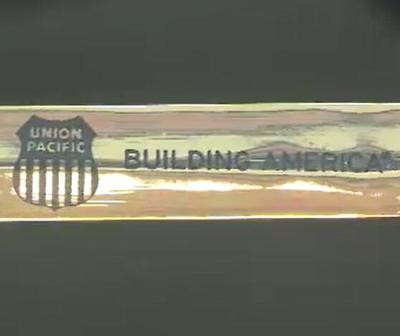
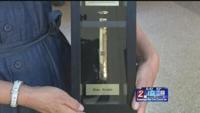
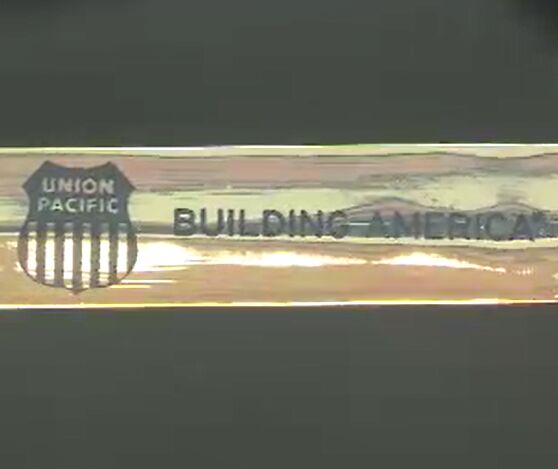
On Tuesday, history buffs and railroad officials celebrated the milestone with a symbolic golden spike.
They said getting railroad service to then Lake's Crossing, literally put Reno on the map. It gave people a place to stop to take in the sights, and allowed the economy to grow. It's also how the flood of hopeful divorcees got to Reno, creating the historical divorce capital of the world.
For Northern Nevadans, it meant much easier access to the rest of the country.
"Before the railroad was completed, a stagecoach ride across the country could take six months," Union Pacific Director of Public Affairs Nathan Anderson said. "Once the railroad was completed, that same transcontinental journey? A week, 10 days."
It took five years to build the railroad between Reno and Sacramento, and just one more year to connect Reno with Promontory, Utah, opening up access to the east.
The symbolic golden spike was presented to Reno City Councilmember Jenny Brekhus at the celebration Tuesday. She said she plans to propose to the City Council that the spike go to the Nevada State Railroad Museum for display.
