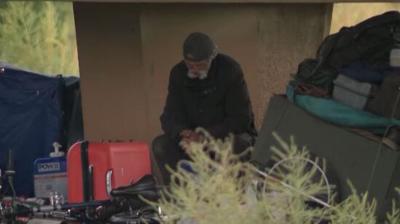



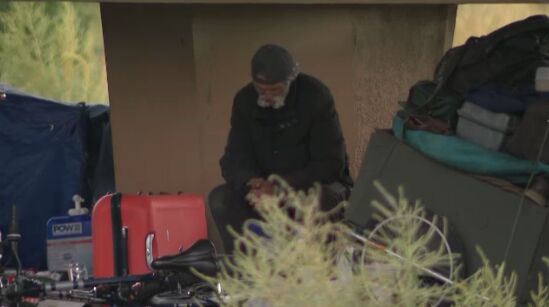
The Reno and Sparks City Councils joined Washoe County Commissioners, business leaders and nonprofit organizations to address homelessness in northern Nevada, Thursday. They are looking at what works and does not work in the fight to end homelessness.
"I think everyone wants to solve the problem," Councilman Ed Lawson, City of Sparks said. "I think there's a compassion and empathy within the community to solve it but not everybody understands how to do it, and I certainly don't understand how to do it."
Experts from OrgCode Consultants gave a presentation, outlining some of the ways homelessness affects a community, and what practices could work best to reduce homeless populations in Washoe County.
One idea is to use the homeless shelter as a way to move people back into housing as soon as possible. Experts say when people have a place to live, they can focus on other aspects of their lives and make improvements much easier.
"Providing housing first and then coming along side and determine what else can we do to help support you to further reduce your vulnerabilities to make sure you never return to homelessness again," David Tweedie, Associate with OrgCode Consulting said.
Tweedie says shelters are often used incorrectly, offering a place to live instead of a way to get people back on their feet.
"Shelters are a mechanism by which homelessness is ended and it's ended quickly and it never occurs again," Tweedie said. "Shelters is the process for obtaining housing vs. the destination where they go to stay."
Tim McGivney says he was homeless, off-and-on, from age 18 to 30 using drugs and alcohol.
"It was dangerous, it was a free-for-all," McGivney said. "It was around a bunch of people who said we can do whatever we want, anytime we want to and that's the way we lived."
He is a husband and a father, today, and he is trying to help other people get treatment so they can lead productive lives. He is skeptical that a "housing first" plan will work because so many chronically homeless will not uphold their responsibilities.
"If you gave me a house when I was on the streets, I would have 15-20 people in there at any time, running girls, running drugs, doing what we do," McGivney said.
Reno City Councilwoman Neoma Jardon says the plan would not mean free housing but that it would give people the start they need to get themselves out of poverty.
"You need to have that door to lock and a roof over your head if you're going to begin that journey out of homelessness," Councilwoman Neoma Jardon, City of Reno said.
McGivney says he thinks people need help with their personal well-being before they can handle living independently in a home, but says every case is different.
"Take away the drugs and alcohol if they're willing to actually work through this," McGivney said. "You'll see where they are, mentally. From that point, you work on their mental well-being and their job."
Tweedie says substance abuse and mental illness plays a role in many homeless situations, especially long-term homelessness. He says the biggest reason for homelessness is economics, and those are people who they want to get back into homes as quickly as possible.
"Most of us wouldn't blame a two-year-old or a six-year-old or a young mother with children and she's far more likely to be the face of homelessness than the person pushing the shopping carts downtown," Tweedie said.
Experts say reducing homelessness could reduce calls for things like police and emergency services, potentially saving millions of dollars.
"It is a significant impact on all resources whether it be police or jail or emergency services, economic development, business, it truly does have an impact on those things," Jardon said.
Officials hope the meeting will provide a road map moving forward, allowing them to think outside the box instead of doing things the same way, which many say do not work.
"It could be affordable housing issues, it could be veterans, it could be a number of individuals," Commissioner Bob Lucey, Washoe County said. "Homelessness has really no face."