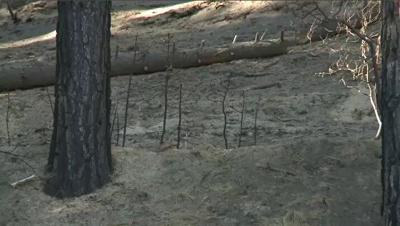
The Little Valley Fire ripped through the west side of Washoe Valley more than a month ago, destroying 23 homes and 17 other buildings. The investigation has concluded, saying the fire was caused by a prescribed burn in Little Valley, a few miles west of Washoe Valley. Now a 10-member review team is looking into the factors of the prescribed fire to see what went wrong and what may have been right.
"Looking at the burn patterns, taking a look at the fuel types that were being burned and certainly getting a better understanding of the different elements that were affecting that burn during that time frame," Bob Houseman, Incident Commander for the National Incident Management Organization said.
The ten members come from state and federal agencies from around the country. The team was requested by the State of Nevada to provide a third-party objective review of the prescribed fire.
"We're looking at different causal factors and factual information that led to certainly the execution of the burn, and what likely or might have actually been contributing factors to the escape, itself," Houseman said.
High winds re-ignited the fire, nearly a week after the prescribed burn ended. Residents in the area, and those affected by the Little Valley Fire, say the prescribed fire should not have happened in the first place. Ted Huber's aunt lost her home, barn and other buildings in the fire.
"It's almost as if somebody finally got the go-ahead, so they just went for it and threw caution to the wind, and look at the devastating effect it's had on so many people's lives," Huber said.
Huber has helped sift through the rubble and a new pump house is being built. He says it's hard to recover from a fire, especially when it has affected the family's business, home and history. Some of the buildings were more than a century old.
"The house is gone, which is devastating," Huber said. "Trying to recreate a business is beyond challenging, and then to lose all the historical value that was here for everybody, you can't replace that."
The review team has been looking at the case for ten days, interviewing firefighters who were involved with the prescribed fire, looking at documents and statutes, and visiting the burn area. The final report is expected to be completed by early January, and the team is hoping it will help with similar projects in the future.
"What might be changed or what might be done different the next time, if anything at all," Houseman said. "What went well? Look at the elements of the event, the incident itself and find out what went well and what you might want to continue with and what might you want to look at changing for the future."
Huber is a firefighter in Los Angeles, and says he hopes the report will prevent a similar situation in the future. While he sees the value of prescribed fires, he says they should be done with extra caution.
"It'll be interesting to see what that report finds but common sense kind of dictates if you know you're in a drought, you've got severe winds predicted, probably not a good idea to start a fire." Huber said.
