

Governor Sisolak, Senator Cortez Masto, Senator Rosen and Congressmen Amodei released a joint statement Saturday regarding the potential jet fuel shortage.
“We learned earlier this week of potential jet fuel shortages that could delay cargo delivery and passenger travel at Reno-Tahoe International Airport in coming days. Governor Sisolak, Senator Cortez Masto, Senator Rosen and Congressman Amodei have been working together to triage the situation to avoid and minimize disruption for passengers and ensure critical operations, including the delivery of essential goods into the State.
“The Governor and Congressional delegation expect the airlines and fuel companies to make options available to them to help support the public. To be clear, further failure to secure adequate fuel supplies is unacceptable.
“We are currently speaking to all responsible parties to understand how this situation occurred and prevent future shortages, but our immediate focus is on ensuring resources to combat western wildfires are not impacted and that there is as little disruption as possible for Nevadans and visitors who depend on reliable air service.”
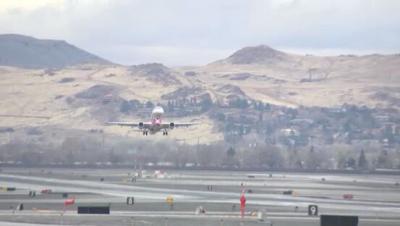
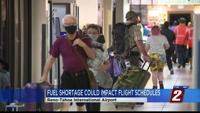
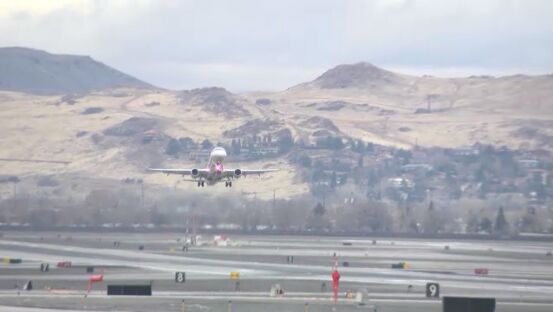
Jet fuel supply issues may soon affect airline flight schedules at the Reno-Tahoe International Airport.
The Reno-Tahoe Airport Authority says high demand for air travel, a runway construction project at RNO, a lack of available space in the fuel pipeline and a shortage of fuel truck drivers are all contributing factors to the fuel issue.
RTAA says as a result there could be changes to some flights out of RNO.
"There's several airports across the west coast that are experiencing these types of challenges," said Stacey Sunday, the director of corporate communications for RTAA. "We're working with our airline partners as best we can to help them with anything we can. There's only so much we can do. But we also have our customer service agents out on the floor."
It recommends travelers check with their airline before arriving at the airport. The RTAA says it is working to help its airline partners resolve issues with fuel pipeline and truck deliveries, while providing customer support at the airport.
Other recommendations for travelers include: arrive at least two hours prior to the originally scheduled departure time, expedite the security screening process by emptying pockets, removing shoes, electronic devices, jackets, food, and liquids (not to exceed 3 oz.), download boarding passes at home and keep cell phones charged for airline alerts.
Starting Friday through the weekend, about 24,000 travelers are expected to depart from the airport.
(RTAA)