

From American Cancer Society Cancer Action Network, Inc.:
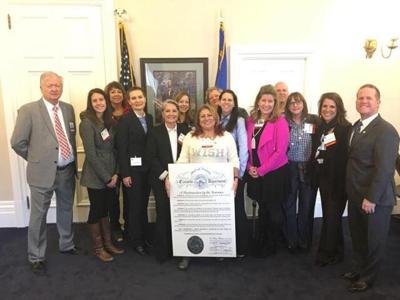
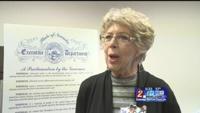
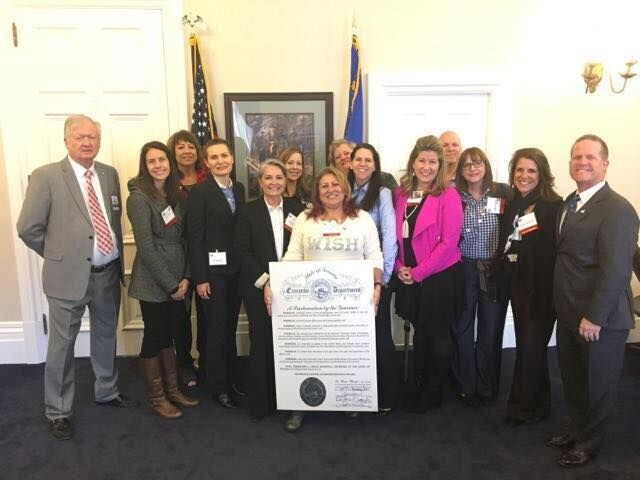
Carson City, NV – March 3, 2017 – Governor Brian Sandoval declared March “Colorectal Cancer Awareness Month” today during the same week that American Cancer Society researchers released a dramatic new study showing young adults born after 1990 have double the risk of colon cancer and quadruple the risk of rectal cancer compared to people born around 1950. Lt. Governor Mark Hutchison presented the proclamation on behalf of the Governor Sandoval today to cancer patients and survivors during Cancer Awareness Day at the Capitol—a gathering organized by the American Cancer Society Cancer Action Network (ACS CAN).
“This year, it is estimated that more than 1,100 Nevadans will be newly diagnosed with colorectal cancer and another 500 will die from this tragic disease,” said Lt. Governor Hutchison. “Early screenings are essential, which is why awareness is key and Colorectal Cancer Awareness Month so important. The state of Nevada is behind the American Cancer Society’s goal of getting 80 percent of Nevadans over the age of 50 screened for colorectal cancer by 2018.”
Colorectal cancer is the second leading cause of death in the United states with someone dying from the disease every ten minutes. Currently, there is no cure for colorectal cancer.
“Overall, more than 5,000 Nevadans expected to die from cancer this year, which is the Silver State’s #1 killer,” said ACS CAN Nevada Government Relations Director Tom McCoy. “Another estimated 13,840 people in the state will be told they have cancer by the end of 2017.”
Cancer Awareness Day at the Capitol brought together Nevadans touched by cancer who called on their lawmakers to listen to their personal stories, hear their voices and take action on cancer-fighting public health policies. In addition to raising awareness about colorectal cancer, the ACS CAN volunteers met with their lawmakers to advocate for three bills recently introduced this session to fight cancer:
- AB 141 would reactivate the Office of Minority Health and extend its reach to include disability and LGBTQ groups. The Office will be given a new name to reflect the change --The Office of Minority Health and Equity. The purpose of the Office is to improve the quality and access to health care services for members of minority groups, which often suffer higher cancer rates. The bill grew out of the Nevada Minority Health and Equity Coalition of which ACS CAN is a member.
- SB 91 would combine an ACS CAN-created Cancer Drug Donation Program with the HIV/AIDS Drug Donation Program and add other types of prescription drugs that meet or exceed $500 per month. The drug donations allow low-income Nevadans struggling with the financial challenges of treatment to receive medications at no cost.
- SB 136 would create a State Advisory Council on Palliative Care and Quality of Life to help expand the awareness and availability of palliative care across Nevada to assist cancer patients and others facing serious illness. When patients receive coordinated palliative care it improves treatment and quality of life, lowers health care costs and improves patient outcomes.
ACS CAN, the nonprofit, nonpartisan advocacy affiliate of the American Cancer Society, supports evidence-based policy and legislative solutions designed to eliminate cancer as a major health problem. ACS CAN works to encourage elected officials and candidates to make cancer a top national priority. ACS CAN gives ordinary people extraordinary power to fight cancer with the training and tools they need to make their voices heard. For more information, visit www.acscan.org.