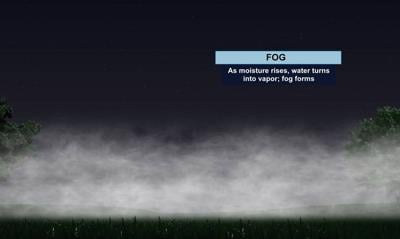
Fog happens every once in a while around here and can be very hard to predict. Fog can be cool to look at, unless you have to drive in it. It can lower visibility dramatically and can make the roads slick too, because of the mist freezing fog creates. Moisture near and around the surface is the main ingredient for fog to form and after the showers Wednesday morning, and the storm this past weekend, we have plenty of moisture to work with. Fog is pretty much a cloud that forms near the surface. When there is enough moisture and the temperature cools to the dew point fog can form. The dew point is the point at which saturation occurs. We did not have very far to go Thursday morning.

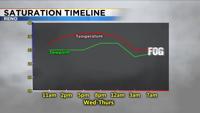
With some clearing any fog that forms Friday morning would be from more traditional fog called radiational fog. This happens when clear skies and light winds allows ground temperatures to rapidly cool reaching the dew point temperature. Combine that with leftover moisture and fog could form in the valley once again.

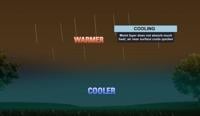
Another type of fog is called advection fog. This occurs when you have warm air moving over a cold body of water or land. The cooler water or land cools the warmer air above and eventually reaches saturation. Wind speeds can be a little bit higher for advection fog to occur. While the fog this past week had elements of advection fog it also had elements of radiational fog. It was more of a combination of fog types. While there were still some clouds in the lower levels Wednesday night, the sky began to clear aloft. The clearing aloft would be a component of radiational fog. With southerly flow drawing up warmer and more moisture over our cold ground, the fog this past week also had elements of advection fog. Fog can be very hard to predict, especially in a mountainous area.

A Freezing Fog Advisory is issued when the forecast calls for widespread freezing fog with visibility at or below a quarter mile. The fog also has to last for at least two hours. A Dense Fog Advisory is the same, but with warmer temperatures.