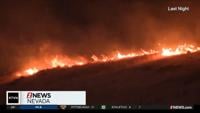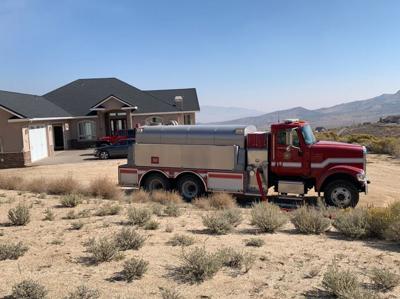


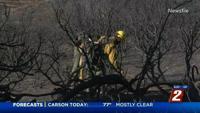

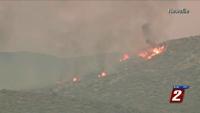

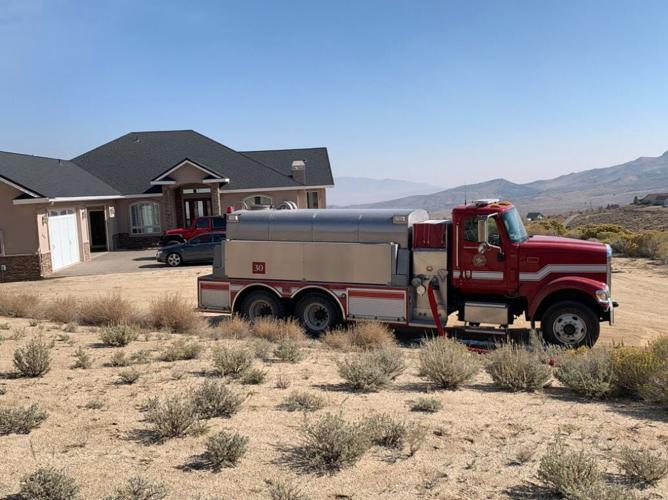
It's been a busy wildfire season in the Truckee Meadows.
"We've have over 250 wildland fires in our district and a significant number that were large, hundreds if not thousands of acres and numerous structures threatened," said Truckee Meadows Fire & Rescue Deputy Chief Alex Kukulus. "We have what are called FMAG declarations, it's a federal disaster declaration, we've had 4 of those declared in our district this year, which is the most I'm aware of in recent years."
When crews respond to these fires, setting up an incident command structure is a top priority.
"And that incident command system is integral to success of the incident, setting that up early and getting the resources there quickly," Kukulus said. "The ultimate goal is to overwhelm the incident with the resources that are needed to mitigate it, and every situation is different. If it's up in the hills and inaccessible, it's going to require more hand crews and aircraft. If it's down in the homes and flats, we're going to use more fire engines and dozers. So it's key that initial incident commander starts moving quickly."
The system is designed so training and certifications are all standardized.
"So if we're looking for a task force leader to manage multiple engines or resources, I can bring in a task force leader from Idaho, or I can send one there, and the training and qualifications should be the same," Kukulus said. "So that I can bring that person in, give them a quick briefing, and go to work. We have a national database that certifies everyone so when we're looking for someone with certain qualifications, of course we look locally first, but we can go as far as across the country."
But ongoing problem this season was resources just stretched too thin.
"This has been a difficult fire season because of the number of incidents happening concurrently throughout the country," Kukulus said. "We have five different levels of preparedness and for months we were at the lowest level, sitting there with a complete lack of resources. And what that means is when we have a fire locally, we're not going to get the same kind of help from over the hill or outside the region and vice versa, we're not able to send the same number of resources when we're committed to so many of our own incidents."
And crews continue to fight as temperatures start to cool.
"It's a bit of an art and a science all combined," Kukulus said. "One of the standard approaches, all things being equal, is we typically go to the heel of the fire, which is the area of origin. We need to anchor in a place where we can grab hold of the fire and make sure it's safe for the firefighters. We prioritize the sides of a fire based on risk; it's always life and property come first, and then there's always environmental concerns and everything else that come into play. If one side of a fire is threatening a community, then that's where well put the bulk of the resources and come back to the other side as we get more in. Sometimes you can't stay direct on the fire, so they'll have to use roads or dozer lines in front, and we'll wait for the fire to come to us, or more ideally, start some backfires to create some black. That's burned fuel that can no longer be consumed and that's hopefully what will stop the fire."
Some of the region's most devastating wildfires have been in the colder months; fire official are reminding everyone to be careful with anything that can cause a spark.
For more information click here.