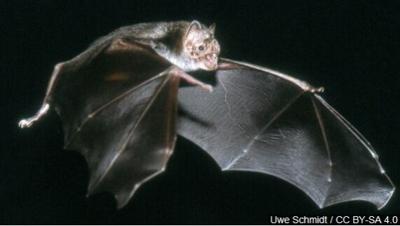
The Nevada Department of Wildlife wants to remind the public this Halloween that bats are important animals in the ecosystem, especially in Nevada.
“Bats get a bad reputation because they are active at night, they’re hard to see, are often very quiet, and therefore really mysterious,” Jennifer Newmark, Wildlife Diversity Division Chief for NDOW, said. “It’s easy to come up with scary thoughts about things that go bump in the dark, and unfortunately, a lot of people think of bats as that bump in the dark.”
Newmark says not everything you thought about bats is correct and NDOW is making efforts to help bring awareness to all the good bats do for Nevada's ecosystems.
NDOW has been taking part in Bat Week from October 24 to 31. It's an annual celebration of the role of bats in nature and the Bat Conservation International, Organization for Bat Conservation and the U.S. Forest Service all participate.
Some myths about bats that have given them a bad reputation include that they are blind, get stuck in your hair and all bats drink blood.
“It’s actually kind of funny when you think about all of the misconceptions people have about bats,” said Newmark. “The reality is that bats play a pivotal role in almost every ecosystem. They quietly go about all night long eating insects and helping us get rid of pests. But because we don’t see them, we often don’t appreciate all that they really do for us.”
Bats can act as pollinators, seed dispersers and their diet consists of mostly insects like moths, mosquitoes and sometimes scorpions. Many insects bats target are threats to crops and farmlands.
“A colony of 150 big brown bats can protect local farmers from up to 18 million or more rootworms each summer,” said Newmark. “There are 20 million free-tailed bats that live in Bracken Cave in Texas. Those bats eat 250 tons of insects each night. It is unimaginable what our world would be like if we didn’t have bats consuming these insects.”
Newmark says Nevada is home to 23 species of bats and she says climate change is one area NDOW is particularly concerned about for the future of Nevada's bats. Adaption and climate change mitigation efforts can effect bats, such as green energy methods like wind generation. NDOW says they are developing methods to decrease impacts of migrating bats from wind farms.
NDOW says because many bats roost in mines, they work closely with the mining industry to protect occupied abandoned mines.
“We are deploying bat detectors in all kinds of habitats to better understand the species that occur there and the times of year they are there,” said Newmark. “We are also working with partners to put in place conservation measures to protect bats from human disturbance, habitat loss, and human development.”
For more information on bats and about NDOW's efforts to protect and manage wildlife in Nevada, visit their website at www.ndow.org.
(The Nevada Department of Wildlife contributed to this report).