
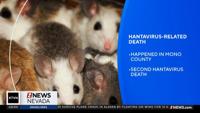

Mono County Public Health has confirmed a second death related to hantavirus in the Town of Mammoth Lakes.
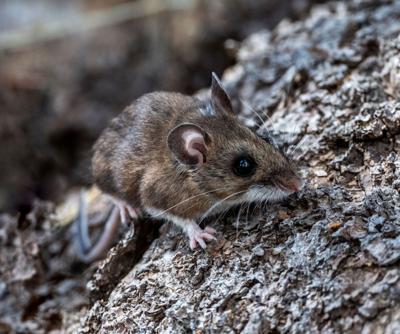
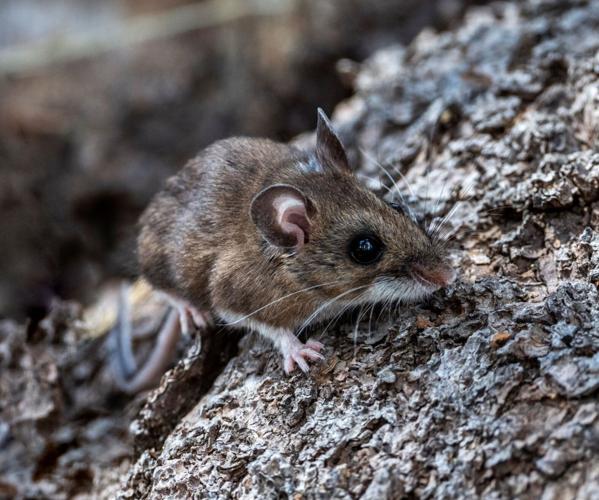
Hantavirus is a serious and often fatal illness spread primarily through contact with infected deer mouse droppings, urine, or saliva. Deer mice are widespread in the Eastern Sierra region.
“Hantavirus Pulmonary Syndrome is uncommon but extremely dangerous,” said Dr. Tom Boo, Mono County Health Officer. “We urge residents and visitors to pay attention to the presence of mice indoors and other enclosed spaces and take precautions to reduce the risk of infection, especially when cleaning up areas where rodent activity is present.”
You can become infected with hantavirus by breathing in contaminated air. Air becomes contaminated when deer mice urine, saliva or feces are stirred up.
This commonly happens when opening or cleaning cabins, sheds, barns, garages or storage buildings that deer mice have entered in rural areas.
Although cases are typically reported in the summer, infections can happen year-round.
If you are infected with hantavirus, the illness begins with a fever and flu-like symptoms. You may also experience vomiting, diarrhea, abdominal pain, coughing and shortness of breath.
There is no cure, but early medical intervention can increase the chances of survival. Approximately one in three people die from the virus.
To avoid becoming infected with hantavirus, you can:
- Seal holes larger than 1/4 inch where mice could get in.
- Place snap traps to catch indoor mice.
- Store food in rodent-proof containers.
- Store woodpiles at least 100 feet away from your house.
- Check your vehicles for mice hiding inside.
To decrease the risk of infection while cleaning a rodent-infested area:
- Open windows and doors to air out the room at least 30 minutes before cleaning.
- Do not sweep, vacuum or stir up dust that might contain mice waste.
- Spray any rodent carcasses, nests, droppings and any contaminated surfaces with a 10 percent bleach solution or a disinfectant made to kill viruses. Let the solution sit for five minutes after spraying.
For more information on hantavirus, visit this link.