

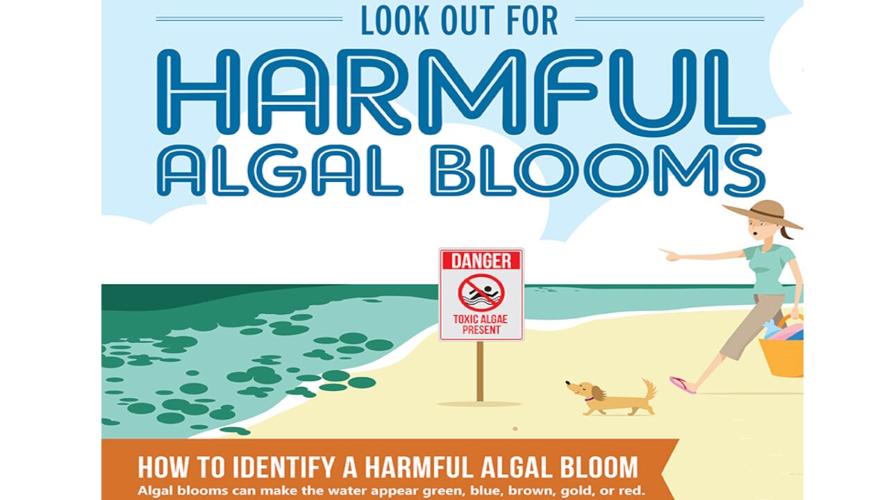
Algae are a natural part of Lake Tahoe’s aquatic ecosystem and form the base of many food webs.
While algae can make blue lakes appear green in the summer, most algae in Lake Tahoe do not pose a health risk to people or animals.
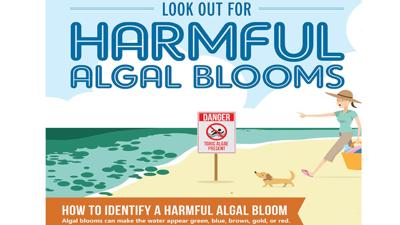
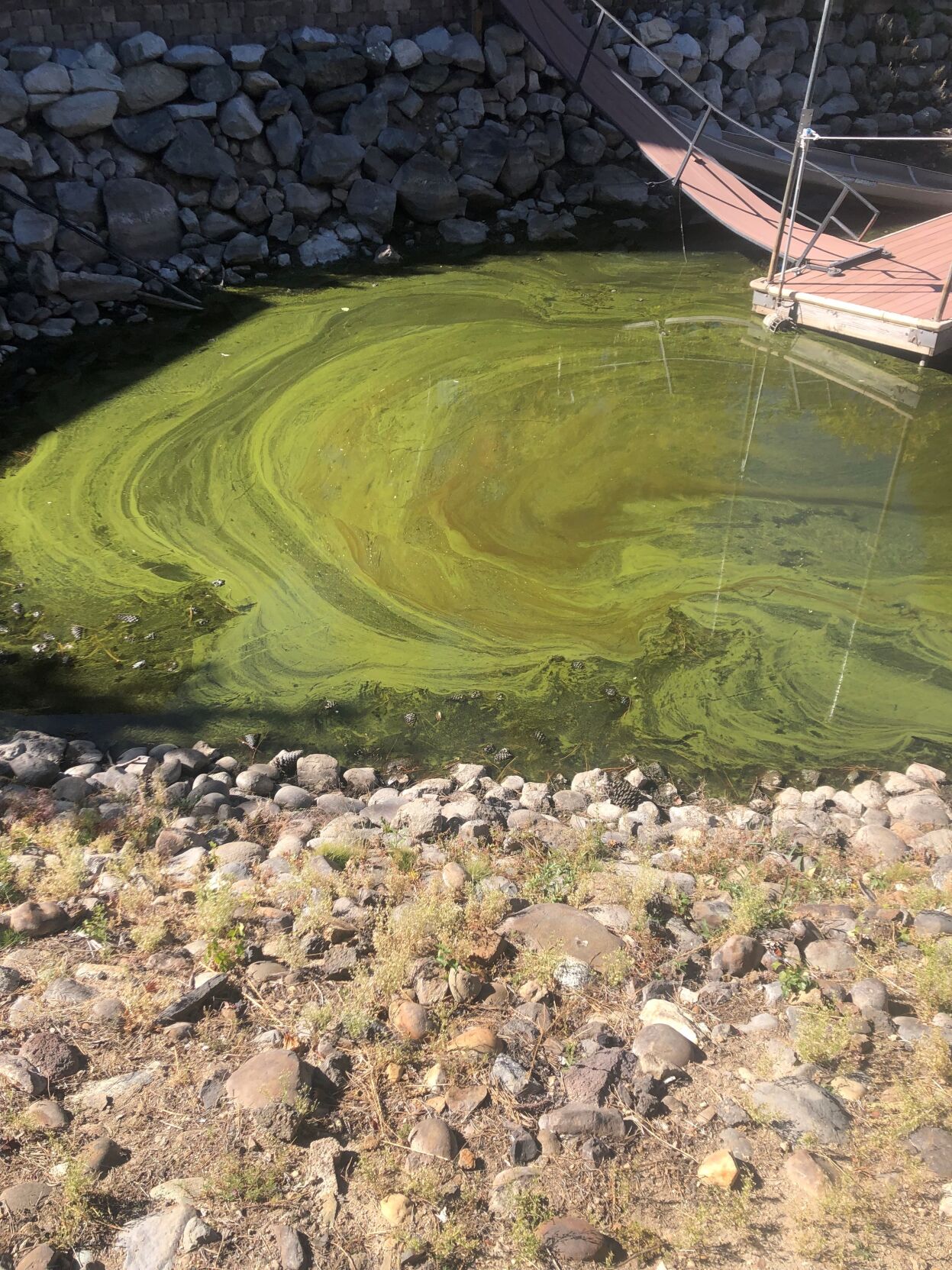
However, harmful algal blooms, or HABs, are different. HABs can look like harmless algae and may cling to rocks, collect on beaches, or grow on the bottom of rivers and creeks, but they can produce toxins that pose a risk to public health and safety.
HABs are often caused by cyanobacteria and may appear as green, white, red, or brown discoloration in water, or as mats or paint-like sheens.
They form in warm, shallow, or slow-moving water and are fueled by nutrients.
Scientists believe climate change may increase HABs due to rising temperatures, changing precipitation patterns, and increased nutrient runoff from stormwater.
The Lahontan Regional Water Quality Control Board monitors water quality in Lake Tahoe and responds to public reports of HABs.
It coordinates testing with land managers and posts signage at affected sites.
El Dorado Beach, Regan Beach, Kiva Beach, and Kings Beach are scheduled for routine testing before major summer holidays.
In the Tahoe Keys lagoons, which have a history of blooms, three sites will be tested before the Fourth of July, Labor Day, and in late September.
In 2024, no toxins were found in California-side samples. One July sample from the Tahoe Keys showed toxin levels that led to a Warning advisory, which was downgraded to Caution in August after retesting.
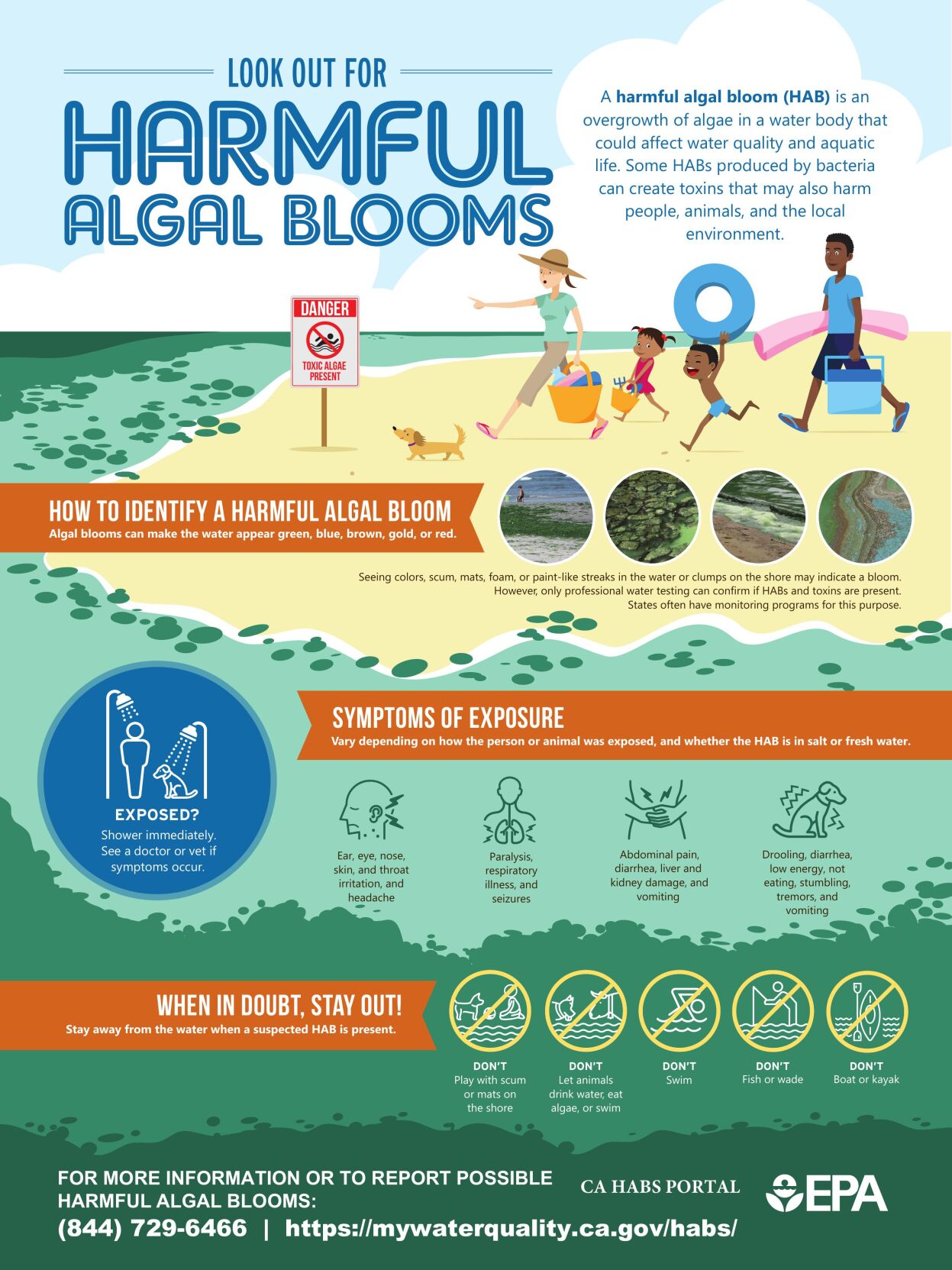
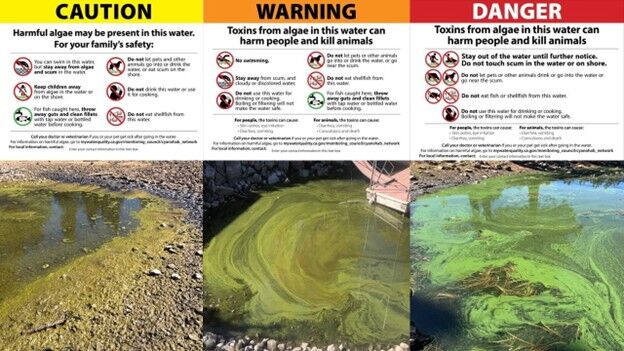

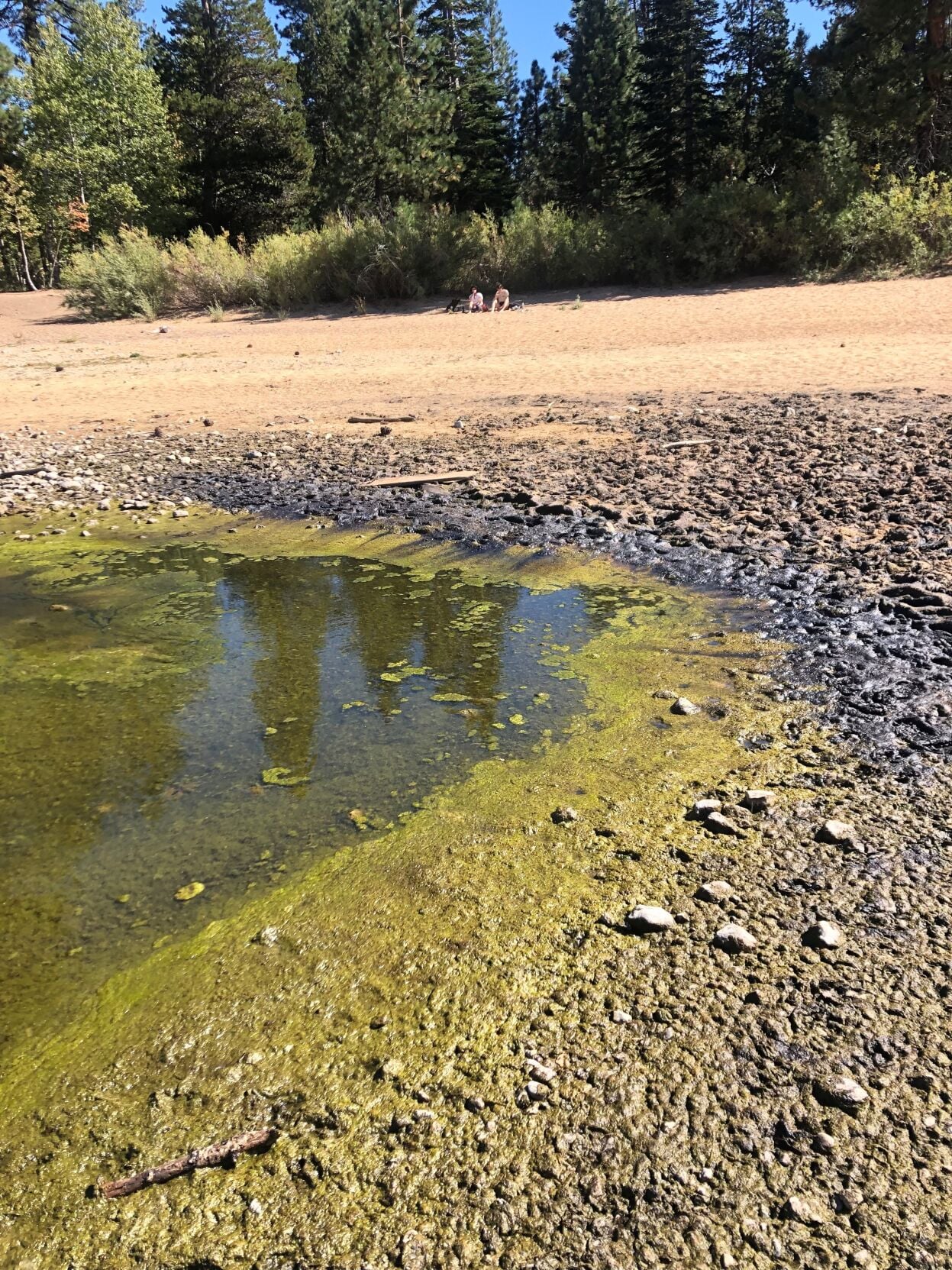
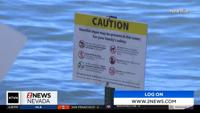
Advisories include three tiers: Caution, Warning, and Danger.
These apply to specific locations and guide public behavior. Caution signs may be posted based on visible conditions even without lab confirmation, and may remain as a precaution after a bloom has cleared.
While most algae are harmless, HABs can endanger pets. Animals can get sick by drinking water, eating algae, or licking it off their fur.
Symptoms may appear within minutes to days and include vomiting, lethargy, seizures, and rashes.
If exposure is suspected, contact a veterinarian or call the ASPCA Animal Poison Control Center at (888) 426-4435. A consultation fee may apply.
Visitors are encouraged to recognize and report HABs, avoid contact with affected water, and follow posted advisories.
Reports can be submitted to the Water Board for California and to the Nevada Division of Environmental Protection for Nevada.
Several resources and current conditions are available online at the following websites:
- How to identify a HAB
- Report a bloom in California
- Report a bloom in Nevada
- California incident report map
- Nevada HAB dashboard and map
- Nevada HAB current advisories
- How to keep you, your family, and pets safe from HABs
- Frequently asked questions
To help reduce the spread of invasive species that contribute to HABs, the public is urged to Clean, Drain, and Dry all watercraft and gear before entering the lake.
Sightings of algae or water quality issues can be submitted at CitizenScienceTahoe.org.
Volunteers can also join Keep Tahoe Blue’s Eyes on the Lake program to assist in identifying and reporting aquatic invasive species.