

The Mojave desert tortoise is truly one of Nevada's most iconic species, and it deserves all the attention it can get.
Multiple government agencies and conservation organizations are partnering to raise awareness and promoting the recovery of the Mojave desert tortoise
These creatures are so unique and fascinating and it's vital we do all we can to protect and preserve them for future generations.
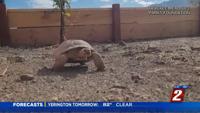
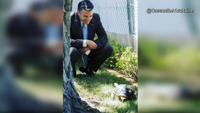
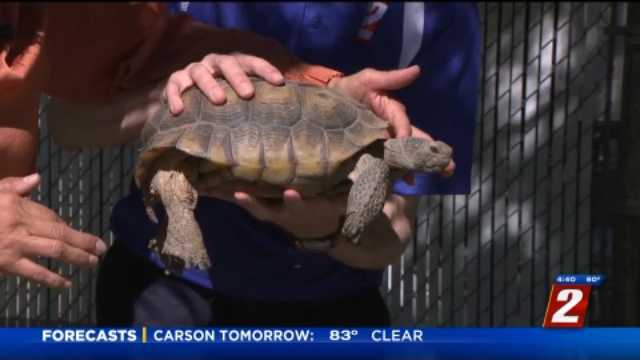
To celebrate desert tortoise week, 2 News visited Carson, a famous desert tortoise who lives at the Nevada Governor's Mansion.
Carson is 18 and has a lot of life ahead of him. With a lifespan of up to 80 years, he could potentially witness many governors come and go throughout his lifetime.
Currently, he is preparing for brumation, a state of inactivity similar to hibernation that is common for reptiles.
Desert tortoises in the Mojave desert are beginning to go into brumation as well. This means they will stay in their burrows from roughly October to February.
Carson's diet consists solely of organic vegetation from the mansion's garden, which includes grape leaves, roses, and dandelions. Additionally, he has a designated area that is free from harmful chemicals.
"He has his burrow over here. He has quite a bit of space. We don't use any herbicides or fertilizer in his space. We literally grow dandy lions back here. We fight them every place else on the property, but for Carson it's his favorite food," explained Governor's Mansion Executive Coordinator Kristen Dillard.
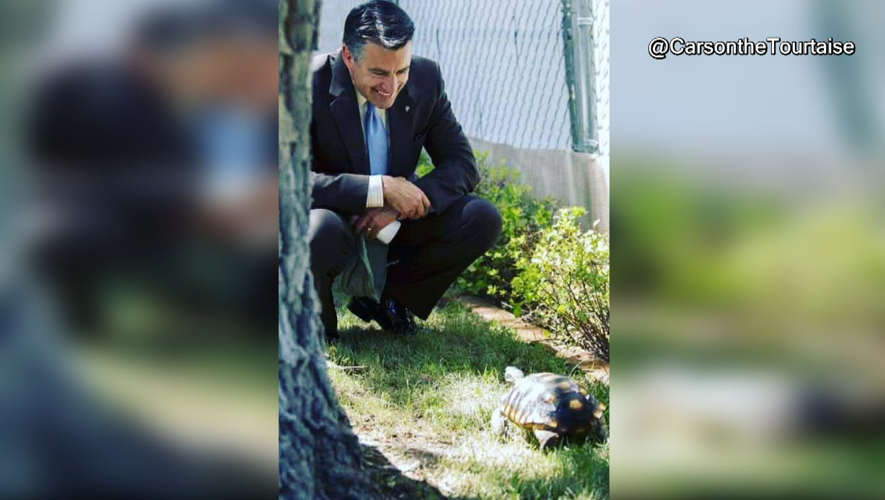
Former Governor Brian Sandoval adopted Carson, and he serves as a reptile ambassador for the governor's mansion. He is also a source of comfort for those working at the mansion.
'You know on a crazy day, if you can just step away. We call it Carson therapy. We just come out and sit on the wall and just have a quiet moment with him. And, the kids too. We've had special needs kids who have had such a strong response to him, such a positive response." said Dillard.
Desert tortoises are the state reptile and are critically endangered. Biologists with the Nevada Department Of Wildlife (NDOW) study the species as a crucial way to understand what's going on with the environment.
"Their ability to survive such a harsh environment is incredible. They've been around for like 15 to 20 million years, and they're so hardy but also so delicate," said NDOW Wildlife Diversity Staff Specialist Jess Brooks.
NDOW is trying to raise their population and increase their habitat in the Mojave desert in Southern Nevada.
"They are an extremely significant keystone species so if we can improve their population. If we can improve their habitat, we are also improving the habitat for all other Mohave desert species," explained Brooks.
It's important to remember to leave desert tortoises alone if you see them in the wild. Biologists have advised that interacting with them can cause them to become scared and empty their bladder, which could lead to dehydration and potentially harm their chances of survival.
See here for a full list of educational and conservation activities during the fifth annual celebration.