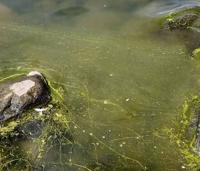
Aquatic invasive species (AIS) can damage habitat for wildlife and natural plans.
Lake Tahoe just saw its largest AIS removal in its history.
Multiple agencies have been working to remove invasive species from the Taylor-Tallac marsh and creeks since 2021.
They are now at the point where the years of hard work is finally paying off.
"Really rewarding but it's also great to see, because next season when we see native habitat coming back and native plants coming back," said Dennis Zabaglo, Aquatic Invasive Species Program Manager, Tahoe Regional Planning Agency. "It's really exciting."
Crews placed large mats in the infested areas three years ago.
The invasive species, just like regular plants, need sunlight and oxygen to survive.
With placing the mats, it blocks those elements from reaching the species so they can't enter into photosynthesis.
They are now removing the mats from the creeks.
The previously largest AIS removal was six acres out in Emerald Bay.
This project was 17 acres, almost tripling that effort.
The Tahoe Fund says it was a no-brainer to step in and help with the project.
"Our donors stepped up very naturally to say hey they have almost all the funding they need, they just need a little bit more to close the funding gap," said Amy Berry, CEO of the Tahoe Fund.
The removal of the AIS will allow for the natural habitat to return home.
The Lahontan cutthroat trout will be one of the main beneficiaries.
While it'll be exciting for anglers, the ties with these fish go deep.
"It's also a really important cultural piece for our native Washoe tribe," said Michelle Ward, Biologist, U.S. Fish and Wildlife Service. "It's an important cultural fish that they've used for generations so it's putting that into the landscape."
While the end of the project is inviting celebrations, there is still a lot of work that needs to be done so the AIS does not return.
"We have to make sure we're protecting that investment; and so they'll come in, they'll do some snorkeling and walk the shorelines and get in the water - and if they see any invasives, they'll yank them out," Zabaglo said.
For the U.S. Forest Service, this is just phase one of a larger restoration project for this area.
They plan on treating more of the wetland areas, but they need lake levels to drop before they can come in and do some of the work.
Right now, they are almost complete with the designs for the next phases of the project.
"Which include really restoring the hydrology of the area and making these wetland habitats and these stream habitats more resilient to a changing climate," said Sarah Muskopf, Forest Aquatic Biologist, U.S. Forest Service Lake Tahoe Basin Management Unit.