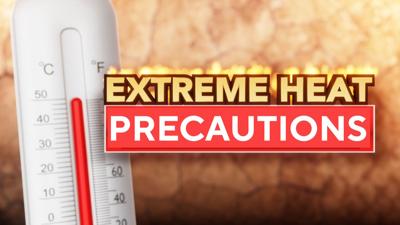
As a stretch of dangerous heat settles over parts of Northern Nevada and surrounding areas this week, health officials are urging residents to stay hydrated, limit time outdoors during the hottest part of the day, and recognize the warning signs of heat illness.
Extreme heat is the leading cause of weather-related deaths in the United States and is linked to an estimated 34,000 additional emergency department visits each year, according to information Elevance Health shared from Anthem. Elevance Health also cited research showing hospital admissions among commercially insured children are 1.4% higher for each additional day with a heat index of 100 degrees or hotter compared with days when the heat index ranges from 60 to 69 degrees.
Staying hydrated is one of the most important ways to reduce the risk of heat illness. According to Anthem's guidance, people should drink water throughout the day before feeling thirsty, take breaks in the shade or an air-conditioned space, wear light, loose-fitting clothing, and limit time outdoors during the hottest part of the day, generally between 10 a.m. and 4 p.m. People are also encouraged to know where they can cool off, such as at home, a library or a cooling center.
According to Anthem, recognizing the warning signs of heat-related illness can help people respond before symptoms become more severe.
Heat rash can appear as small blisters or bumps on the skin and should be treated by moving to a cool, dry place and keeping the affected area dry. Sunburn can cause red, warm skin that is painful or blistered. Cooling the skin and applying aloe or moisturizer may help relieve symptoms.
Heat cramps often cause muscle pain or cramping along with heavy sweating. People experiencing heat cramps should stop activity, move to a cool place, and drink water.
Symptoms of heat exhaustion include heavy sweating, headache, dizziness, weakness and nausea. People experiencing those symptoms should rest in a cool place and drink water.
Heat stroke is a medical emergency. Warning signs include confusion, a very high body temperature, fainting, or seizures. Anyone showing those symptoms should have 911 called immediately.
Anthem's guidance also recommends choosing the appropriate level of care based on symptoms. Virtual care may be appropriate for mild symptoms, while urgent care can help treat symptoms such as headache, dizziness, nausea, or heavy sweating. People experiencing severe symptoms should seek emergency medical care immediately.