Nevada's first and only human case of bird flu—otherwise known as H5N1 or avian influenza A—has been found in Churchill County.
As we'd previously reported, the bird flu had already been detected in cattle in Churchill County.
The Central Nevada Health District says that this first human case is an adult who was exposed to infected cows while working at a dairy farm in Churchill County.
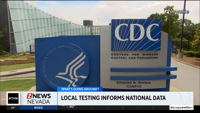
The Centers for Disease Control still considers the risk of bird flu to the public to be low; there is no evidence of person-to-person spread of the virus.
People who were in contact with the infected person and other workers on the same farm are being checked and monitored for symptoms. No other cases have been confirmed.
The Central Nevada Health District would like to share the following tips on how to protect yourself and your loved ones from potential bird flu infection:
- Do not touch sick or dead animals or their droppings, and don't bring sick wild animals into your home.
- Keep your pets away from sick or dead animals and their droppings.
- Do not eat uncooked or undercooked food.
- Avoid uncooked food products such as unpasteurized raw milk or cheese.
- If you work on poultry or dairy farms, talk to your doctor about getting your seasonal flu vaccination. Experts say that this will not prevent infection with bird flu viruses, but it can reduce the risk of coinfection.
- Report dead or sick birds or animals to USDA Wildlife Services at (775) 851-4848.
- Poultry and livestock owners should report sick or dead animals to their vets and the Nevada Dept. of Agriculture.
If you find yourself anywhere where you are exposed to dead birds or other animals, or work somewhere where the bird flu has been detected, experts say to watch for respiratory symptoms or conjunctivitis.
If you start to see symptoms within 10 days after being exposed to sick or dead animals, tell your doctor that you are concerned about bird flu - this will assist them in giving you the appropriate testing and treatment.