

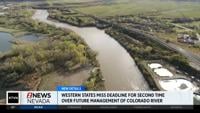

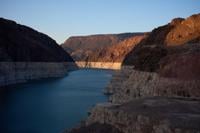

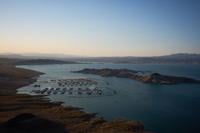
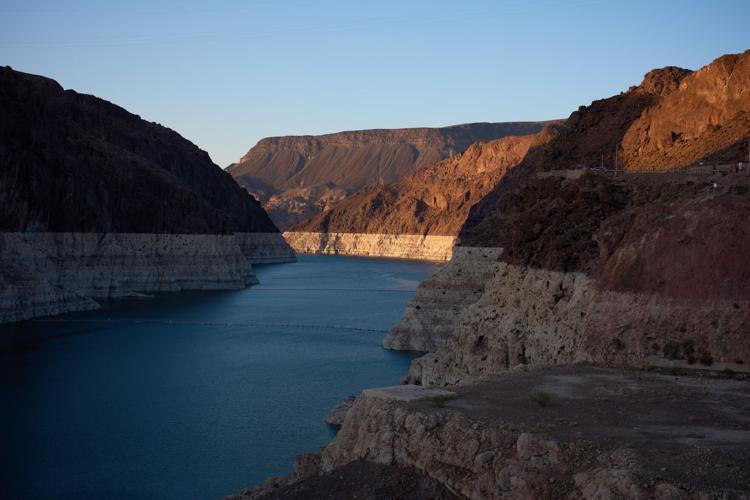
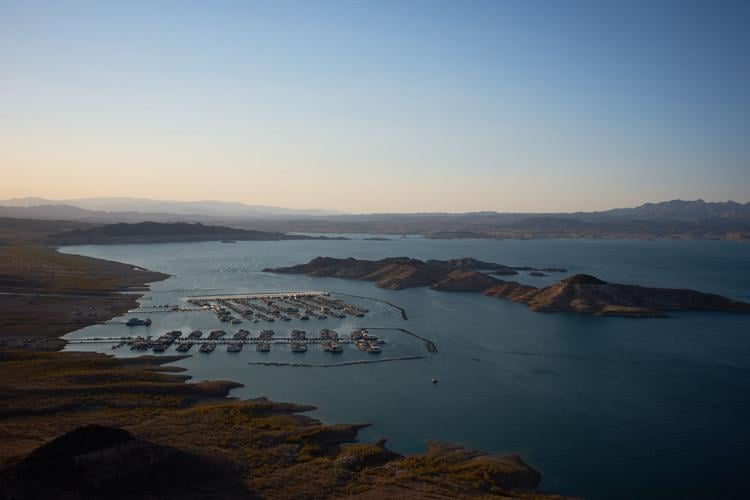
Governor Joe Lombardo has released a statement after the U.S. Department of the Interior posted the Bureau of Reclamation’s Final Environmental Impact Statement outlining a preferred course of action for future management of Lake Powell and Lake Mead.
“Nevada has long recognized the challenges facing the Colorado River, and we have spent decades preparing for them through responsible conservation and strategic planning. Because of those efforts, Nevada leads the seven basin states in water recycling and is well positioned to meet its commitments while fully supporting Southern Nevada’s families, businesses, and economy under any reasonable operating plan that involves shared sacrifice from all water users across the Colorado River Basin.
“Unfortunately, the Final Environmental Impact Statement (FEIS) released by the Department of the Interior today seeks to impose unrealistic reductions on Nevada and our water users. If carried forward, the plan outlined in the FEIS could have devastating economic and environmental impacts on Nevada. Nevada has put forward reasonable compromise proposals to the other states, and I will fight against any outcome that imposes unreasonable impacts to our communities and those living in them.
“Nevada has consistently demonstrated that economic growth and responsible water management can go hand in hand, and I remain committed to working with our federal partners and the other basin states to reach enduring solutions that strengthen the river system while protecting Nevada’s future.”
Previous Story
Arizona, California and Nevada would take less water from the Colorado River under a proposal announced Friday by the federal government to stave off crisis in the beleaguered waterway.
The proposal from the U.S. Bureau of Reclamation spares Colorado, Utah, New Mexico and Wyoming from facing mandatory cuts for now. But it’s a temporary fix as the states that rely on the river still fight over a long-term management plan for the dwindling resource that powers huge swaths of the Western U.S.
Under the plan, the Lower Basin states could face collective cuts up to 3 million acre-feet (130 billion cubic feet) through 2036, “subject to hydrology,” according to a press release by the Department of the Interior. That’s about enough water to serve more than 25 million people a year.
The plan would also allow annual releases between 5 million and 12 million acre-feet from Lake Powell, the basin’s second-largest reservoir. Under the 10-year federal framework, water management decisions will be made every two years.
“This framework provides the flexibility to respond to changing hydrologic conditions while preserving the opportunity for the Basin States to continue working toward durable, consensus-based solutions,” said Secretary of the Interior Dough Burgum in the press release.
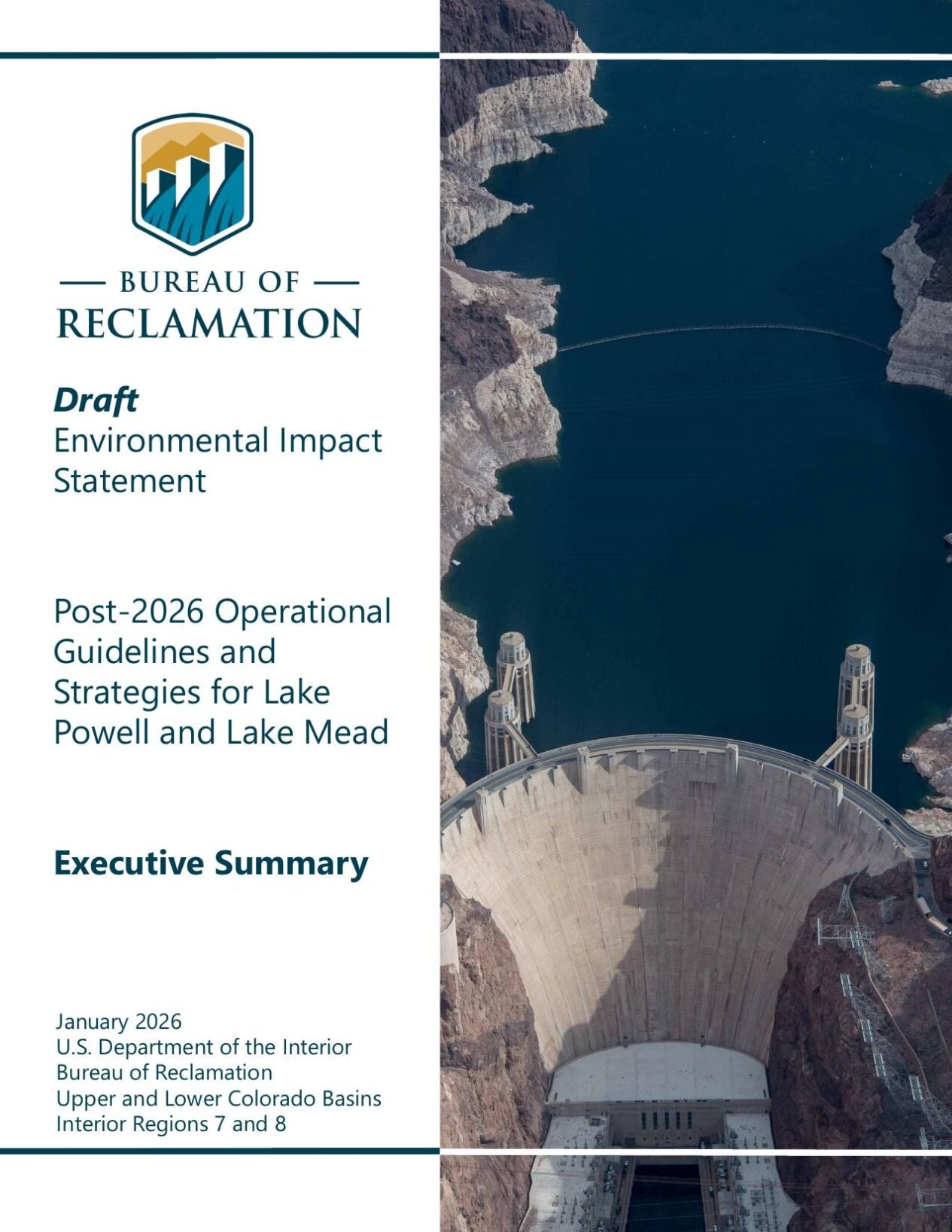
The proposed cuts in the Lower Basin states of California, Arizona and Nevada would be the biggest to date and could have huge impacts across cities and farms — higher water prices, increased groundwater reliance, more agriculture out of production and conservation mandates in places where none have existed before.
The federal plan comes after years of deadlocked negotiations and a record-dry winter that tipped Colorado River reservoirs to combined record lows. Federal officials are expected to finalize the plan in the coming days.
More than 40 million people in seven U.S. states, several tribal nations and Mexico, as well as farmers, wildlife, industries and hydropower, rely on the dwindling 1,450-mile (2,334-kilometer) Colorado River. Years of overuse combined with rising temperatures and drought have severely depleted flows in the Colorado today than in decades past.
(Copyright 2026 The Associated Press. All rights reserved. This material may not be published, broadcast, rewritten or redistributed without permission.)