
Neighbors who live near wetlands and other bodies of water may want to buy some bug spray and keep their doors shut this summer.
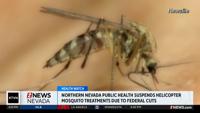
Northern Nevada Public Health (NNPH) says they will not be conducting their helicopter mosquito treatment this year due to federal cuts.
The organization is losing $2.2 million that went towards treatment and immunization programs. So unfortunately, some sacrifices had to be made.
Chad Kingsley, District Health Officer with NNPH, says, "We will be suspending the four flights that we typically do with a helicopter through spring and summer."
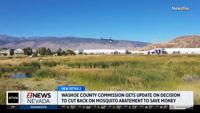
Every year NNPH hires a helicopter to drop larvicide across the region in areas with high mosquito populations such as South Meadows, Damonte Ranch and Washoe Valley.
Kingsley says it's a service that costs $2,000 per hour, "Overall just with the helicopter and not purchasing further larvicide for the fiscal year of 2025, we'll save $260,000."
Kingsley tells us these savings can be focused on other programs that have a bigger impact in our community.
"We looked at suicide prevention, we've looked at care for both women and children and maternal care and those numbers are not as comparative."
Without helicopters they'll no longer be able to access hard to reach areas that are common breeding grounds for mosquitoes, or get as much coverage.
"Usually, a helicopter can come up to about 150 acres an hour, so we will be pulling back on that. Now that doesn't mean that Northern Nevada Public Health staff will not be doing treatment or surveillance of mosquitoes during this season," Kingsley tells us.
He says they'll still be testing for diseases, treating small breeding areas and using drones for emergency spot treatments.
There has only been one human case of West Nile Virus in Washoe County since 2020.
To prevent more disease cases, the public can help by protecting yourself and your home by using EPA registered repellents, checking window and door screens and wearing long sleeves and pants at dawn and dusk.
Kingsley adds, "You can remove free standing water, identifying water sources where mosquitoes might breed and help to reduce those areas so that we're able to work as a community to help reduce those mosquito populations."
He says there are talks of further possible cuts to other programs. However, nothing is set in stone, and the only impacted program right now is this mosquito treatment program.