

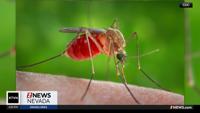
West Nile Virus was found in mosquitoes in north Sparks and south Reno.
"West Nile virus is one of those things where it's always here... it just depends how much," said Wes Rubio, Supervising Registered Environmental Health Specialist, Northern Nevada Public Health.
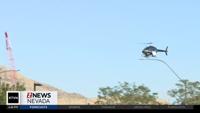
Early Wednesday morning, residents living in south Reno may have heard or seen a helicopter flying around.
Northern Nevada Public Health was out dropping pellets, to try and kill mosquito larvae.
These are baby mosquitoes living in the water, which is where 75 percent of their life cycle is.
"There's two different types of treatment, this is the most ecologically and fundamentally public health-based method and it's the most reasonable method to treat large areas in a community such as ours," Rubio said.
The goal is to kill the larvae before they become biting adults.
The West Nile virus was found after NNPH, sent their surveillance testing to the Nevada State Laboratory.
However, there is no way to quantify the virus in that population.
"So, it could be one mosquito, it could be ten it could be more. Honestly there is no way to know," he said.
Mosquitoes often times can infect birds, horses, or people.
NNPH have not had a lot of reports of dead birds, so they know the virus is not spreading at a fast rate.
Last week, parts of our region saw cold temperatures and rain, which actually helps them in the fight.
"The rain comes in, it essentially mixes up that water column, drowns the larvae mosquitoes so they cannot produce and become adults," Rubio said. "So, that was honestly a huge benefit to the community and just the luck of it."
This helicopter treatment does not kill adult mosquitoes, which can be carriers of the virus, but it does help the population from expanding.
"Those adult mosquitoes, their life cycles are short," Rubio said. "They go lay eggs in the water column, if this product is in the water column, those eggs are not able to develop into adults."
While the virus has not been reported in humans, there are some signs to look out for.
It can sometimes start out feeling like the flu.
According to NNPH, symptoms include headache, high fever, stiff neck, disorientation, coma, tremors, paralysis, and death.
If you are out near still water or wetlands, NNPH reminds people to wear loose pants and long sleeve shirts, apply insect repellant, and avoid going out during dusk and dawn when they're most active.