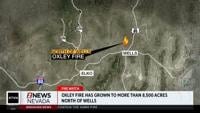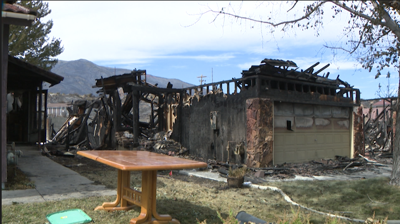

With the growing need in the community due to several recent wildfires, experts say scams are likely to rise.

“When there's a big natural disaster, it's an opportunity for scammers and fraudsters to take advantage of those who have just been displaced,” said Richard Spaulding, a detective with the Washoe County Sheriff’s Office.
The Sheriff's Office and the Better Business Bureau say scammers also look to take advantage of folks looking to help. They're warning not every fundraiser or offer to help should be trusted.
“Do they have boots on the ground? How do they use their money? Who's on the board of directors? How long have they been around?” said Timothy Johnston with the Better Business Bureau. “Just start checking with other reliable sources that can give you feedback on that particular organization. But I think if you're looking to give, you want to make sure your money is used wisely and used locally if possible.”
Fraudsters often pressure their targets and try to instill a sense of urgency in their schemes, so folks feel like they don't have the time to verify the organization and its intentions. Both the Sheriff's Office and the BBB say this is a big red flag and is exactly when caution should be used.
“It's easy to make an emotional decision during these times of events, because they are emotional things that just happened to everybody. Just take your time and use it. Be a little bit methodical about your approach to something versus just being an emotional response and donating money,” said Spaulding.
Consider giving directly to an individual or reaching out to official organizations instead of trusting a source that may pop up on social media or from an unusual phone number or email.
The BBB also provided a list of steps to consider before giving.
Give to established charities: Charities with experience responding to disasters are more likely to have the resources, relationships, and expertise to assist quickly and effectively.
Give money to enable flexibility: Monetary donations are typically the quickest and most efficient way to help, giving charities the flexibility to direct resources where they are needed the most.
Consider volunteering or in-kind donations when appropriate: If you live near an affected area, volunteering or donating goods can be beneficial.
Understand crowdfunding: If you consider a crowdfunding campaign, it is safest to give to someone you personally know and trust.
Be wary of vague appeals: Be cautious of appeals that do not clearly explain how donations will be used or delivered.
Be scam-aware: Watch for suspicious links or QR codes on social media, and phishing emails. If you have a charity in mind, go directly to their official website to make a donation safely.
Verify charity trustworthiness: The BBB recommends supporting charities verified against their 20 Standards for Charity Accountability. That can be done here.
Some organizations like GoFundMe have teams dedicated to vetting the fundraisers on their platforms and try to prevent scammers from slipping through the cracks. A list of GoFundMe fundraisers for families in the area that have lost their homes can be found here.
Anyone who becomes a victim of a scam, or suspects a scam, should report it to both agencies immediately.