
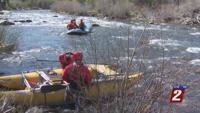

With the weather warming up and summer just around the bend, many may head to the river to cool off or go rafting, but what happens if something goes wrong on the river?
That's where Reno Fire Department's Water Entry Team comes in.
It's a beautiful day out there, perfect for a float down the Truckee or maybe a quick dip, but the while the temperatures may be in the 70s, the water is much colder, which could prove dangerous if you're not prepared.
“In the spring there's more runoff, so the river is a lot higher and that is when people decide to go rafting, and they might not be dressed for the river, it can be pretty cold," said Anna Mestre, a firefighter and WET crewmember for the Reno Fire Department.
“It saps our body temperature really fast, and people can go into hypothermia really quick," said Roger Mooney, Battalion Chief for Reno Fire Department.
Unfortunately, all too often those enjoying the river are unprepared for the dangers of the Truckee. On average, Reno fire's water entry team, or WET, responds to 50 water rescues every year... but not all of them have a happy ending.
“We've done a few searches and haven't found the people and then had to pull them out a few days later,” said Mestre.
Many of the countless rescue missions Mestre has gone out on originate from simple mistakes, but the majority come from those who may have had a bit too much fun. “Most of our river rescues are people falling in the river downtown or drinking a lot or unconscious patients because they had too much alcohol."
Even though summer is the busy season for the river these 30 men and woman are specially trained for still water and ice rescues, and have performed them all throughout the winter.
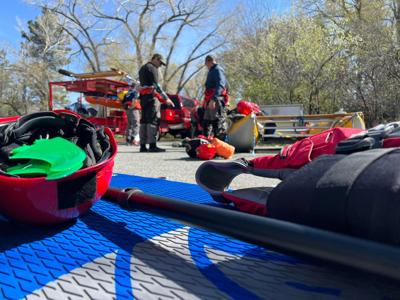
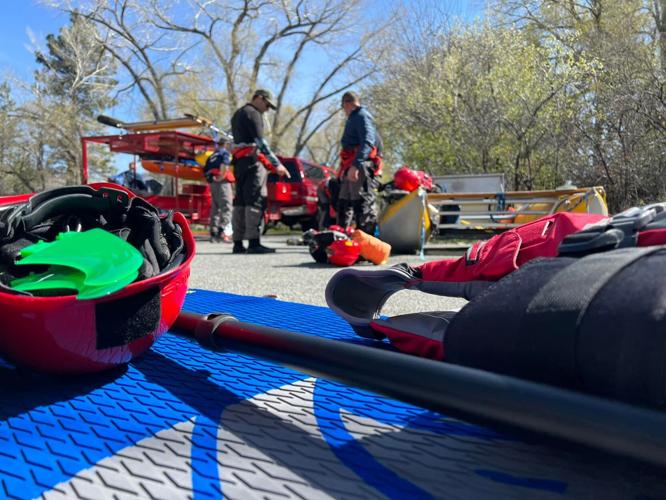
These individuals, they show up at work and they check all their gear, they check their fire gear, they check their wild land gear, they check their water entry team gear, so they are ready to go," said Chief Mooney.
Today was all about checking gear, ensuring procedures are followed, and mapping out the river should they need to respond quickly, and is something that's done on a monthly basis.
“It's river familiarization, remembering what bridges are called what so we know where to tell incoming help where we are from the river and how to access where we are," said Mestre.
Having a plan in place and getting out of the water once in a while is important, as temperatures of the river have been between about 40 and 50 degrees this week. Experts say it only takes around half an hour to an hour to suffer exhaustion or even go unconscious at those temperatures.