

University of Nevada, Reno's Center For Molecular Medicine is about to enter Phase 2 of its research on a COVID test that takes only 30 seconds to get back results
"In some cases it takes 6 to 7 days to get results. So we decided this is not acceptable," said UNR Department of Chemicals and Materials Professor Dr. Mano Misra. The Center is one of many places right now looking for COVID-19 testing solutions.
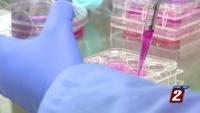
"It's a nightmare to go through 5 days for testing because we all interact with a person. We have the technology here we are are using that can we use that for COVID-19," said Professor Misra. Doctors and scientists at the Center have been using a combination of electrical current and metal based reactions to test for Tuberculosis. Now they're using that same method to test for the coronavirus. Other colleges are experimenting with this as well.
"You just take your nasal swab or saliva and put it on the sensor," said UNR Department Of Microbiology Associate Professor Dr. Subhash Verma. The Center's process is a little different, because it involves reaction between the the metals Cobalt and Titanium.
"Once you apply the voltage, the metals break down. Once those break down, it releases electrons that increase current," said Dr. Verma. "If there is COVID in the patient then the current increases abruptly. If there is no COVID in the patient, then the current remains the same," said UNR Post Doctoral Fellow Dr. Bhaskar Vadlamani.
Electron current testing is different than most common methods being used right now, which primarily use chemical re-agents to detect the virus. "That signal can be read by even a smart phone device at some point," said Dr. Verma.
It's still in the experimental stage, but the hope is the sensors can be fashioned into home testing kits, or a device more easily accessible to the public. "Suppose people going into the stadium need to get tested. We have a test which can give a result in 30 seconds. People walking in the stadium can just swipe their saliva or something and walk in. There are broader implications there for this sort of test," said Dr. Verma.
Dr. Verma says it's expected to take another 10 months to get to the final testing phase of the process.