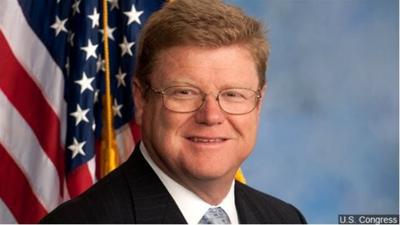


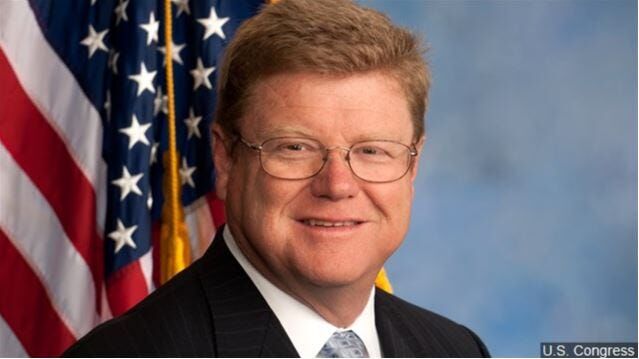
Rep. Mark Amodei is one of 199 representatives who voted against Thursday's federal minimum wage increase. The House passed the "Raise the Wage Act" with 231 votes, mostly along party lines.
"It makes a good campaign ad in certain neighborhoods," Amodei, R-Nevada said.
Amodei says raising the federal minimum wage from $7.25 per hour to $15 per hour by 2025 would have a negative impact on the economy, citing the National Restaurant Associations findings that a $15 minimum wage would force restaurant owners to cut hours, raise prices and layoff workers.
"In those states that did that, you can say you got a raise unless your job is gone," Amodei said. "These statistics say jobs are leaving and you're going to get a raise unless your hours have been reduced. You look at the statistics and employment went down. Not that that's the only thing that you should think about but it really sounds to me like when you say everybody's going to make 15 bucks an hour, you're picking winners and losers."
Others argue that raising the minimum wage would not result in job loss.
"For small businesses, especially in our community, it's a benefit to them because when people have more money in their pocket, we spend it," Laura Martin, Executive Director of PLAN said. "People who are already wealthy get more money in their pocket, and they hoard it."
The bill is unlikely to pass the Senate. Amodei says the legislation is a "one size fits all" policy that does not consider the economic differences around the country. It also includes tipped workers, which he says would have fall on the shoulders of Nevada's hospitality industry.
"The tipped federal minimum wage is $2.13 an hour," Amodei said. "This is a 600-plus percent increase. Forget whether you're tipped or not. You're going to make the same as people who aren't?"
The Congressional Budget Office says the bill could give raises to 27 million people but that it could also cost as many as 3.7 million jobs.
"If you're one of those people that gets a 100 percent raise in the federal minimum wage and you say 'Guess what. My job's still there and they didn't eliminate hours'. Guess what. You're a winner but that's not every hourly job in these districts."
Amodei says doubling the federal minimum wage could affect employment for young people who need an entry-level position, and would expect more automation at fast food restaurants.
"There's people standing at the counter, those cash registers if you will that are open, traditionally," Amodei said. "There's one open now and by the way, there's two of those kiosks. Why don't you place your own order?"
Nevada's minimum wage is already going up to $12 by 2024. Amodei says the legislature's reluctance to raise it to $15 shows that they considered the overall impact of wage increases.
Nevada's democratic representatives Steven Horsford, Dina Titus and Susie Lee voted in favor of the bill.