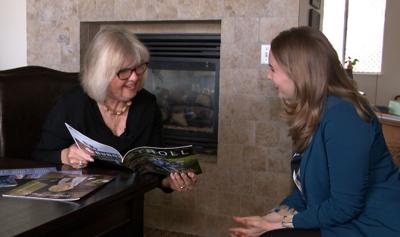






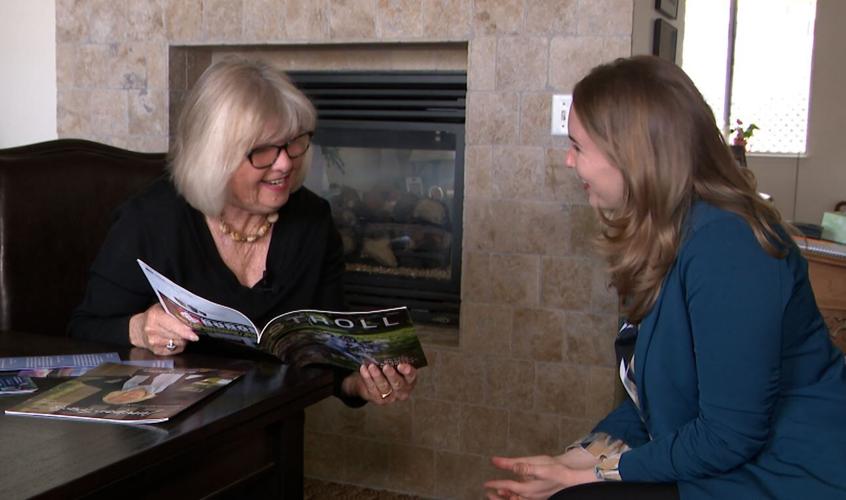
Years ago, Sherry Andersen says she decided to face down her fear of death by volunteering with hospice patients, helping them in their final days. And today, that's what has led her to her career as an end-of-life doula.
"What we do is meet the client, patient where they are," she explained. "So we can customize what they want from us. Do they want us to sit and talk about their life? Do they want us to go through photo albums? Do they want us to help write an obituary?"
Some even need help seeking or granting forgiveness, or settling regrets. Andersen says one way she opens the door to those conversations starting with a life review.
"I find that when we do do the life review, they feel a relief and a sense of joy because they've now looked back at their life, and they see where they started, and what they've gone through, and where they've come to," she said. "And it makes them feel pretty darn good."
Andersen added that even people who aren't in their last days can achieve a sense of relief by preparing for the inevitable. She recommends that everyone:
- Create a will and 'advanced directive,' designating someone to speak on your behalf if you are incapacitated near the end of your life.
- Save your online passwords somewhere your family members can access them.
- Tell a trusted friend or family member where you keep all of your property and vehicle keys.
- Create a list of your belongings that you'd like to give to loved ones after you pass.
- Consider a 'POLST,' a document you can create with your doctor to let medical professionals know what level-of-care you want if you can't speak for yourself. For example, a POLST can outline whether or not you'd like first responders perform CPR to try to resuscitate you. POLST is Physician Orders for Life-Sustaining Treatment
Andersen says there are advantages to taking those steps right now.
"Emotional benefits to being prepared? Relief. Because you're facing it now when it's not near you," she said.
